

Viberetro catalog
Systems people still modify.
83 systems and platforms, 151 open-source repositories catalogued. Proprietary hardware stays as a reference only — we never vendor those trees.
Home consoles
31 systems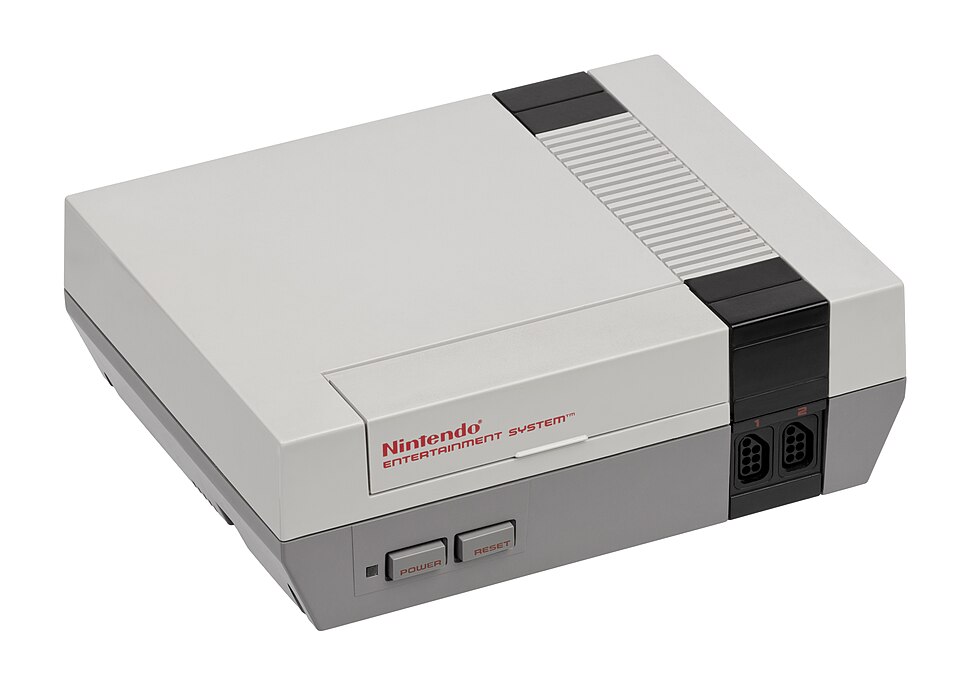 Nintendo
 Nintendo Entertainment System
The 8-bit home console that defined cartridge hardware, RGB/PPU video hacks, and aftermarket flash carts.
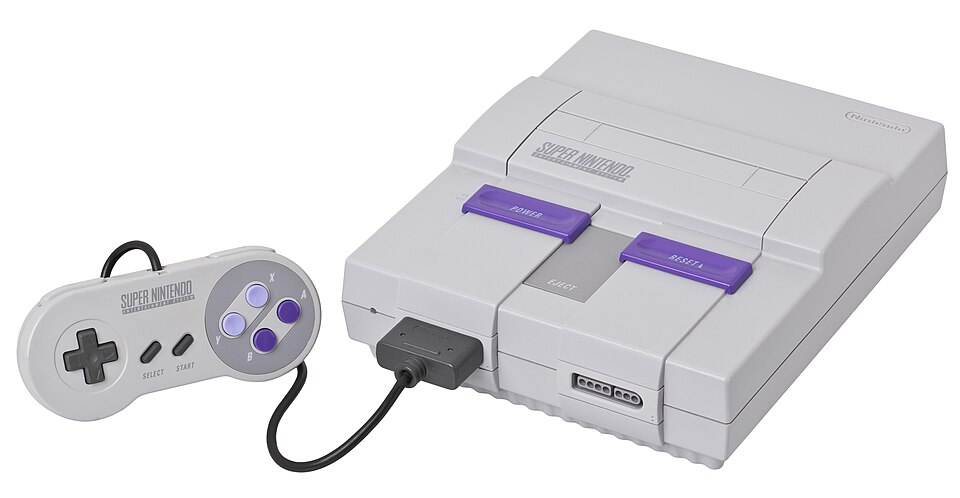 Nintendo
 Super Nintendo Entertainment System
16-bit Nintendo console with a large RGB, CIC, and flash-cart aftermarket.
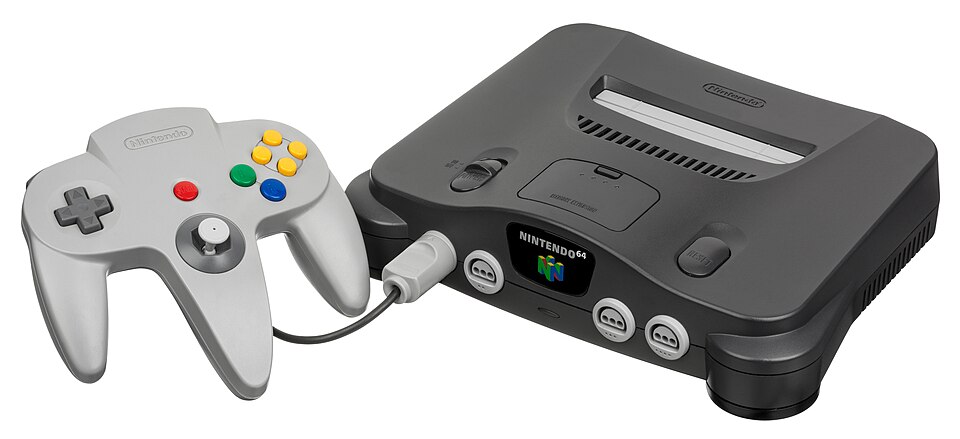 Nintendo
 Nintendo 64
Cartridge console whose aftermarket is dominated by flash carts, RGB/HDMI video, and controller extras.
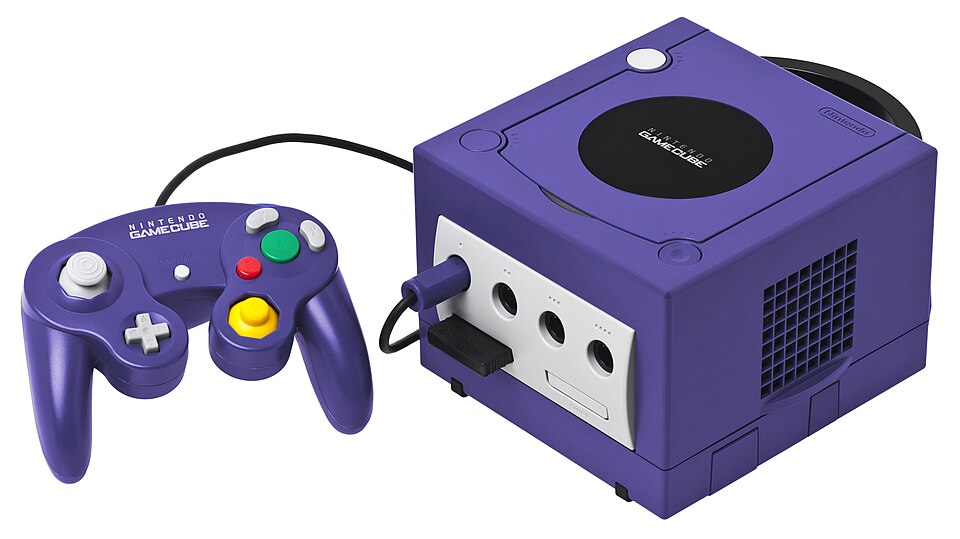 Nintendo
 Nintendo GameCube
Optical disc console with a dense scene of IPL replacements, digital video, and homebrew loaders.
 Nintendo
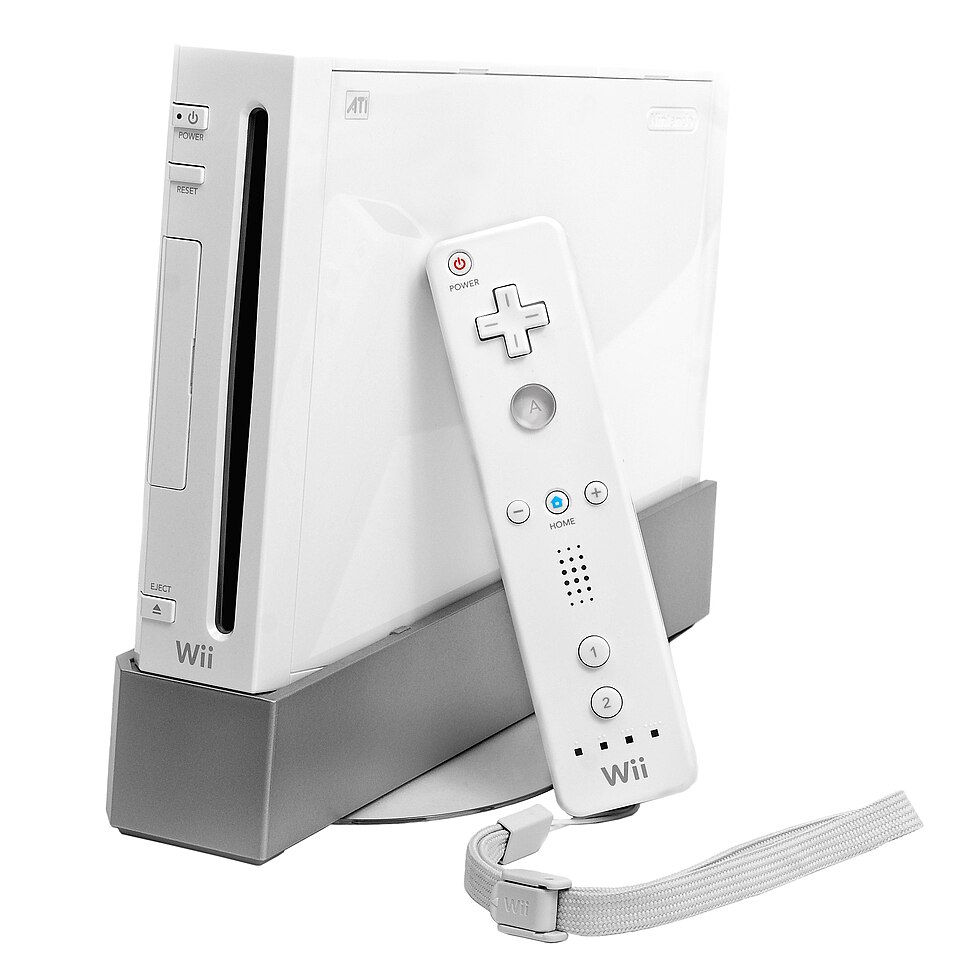
 Nintendo Wii
GameCube-compatible successor. Most popular work is software loaders plus HDMI and Bluetooth replacements.
 Nintendo
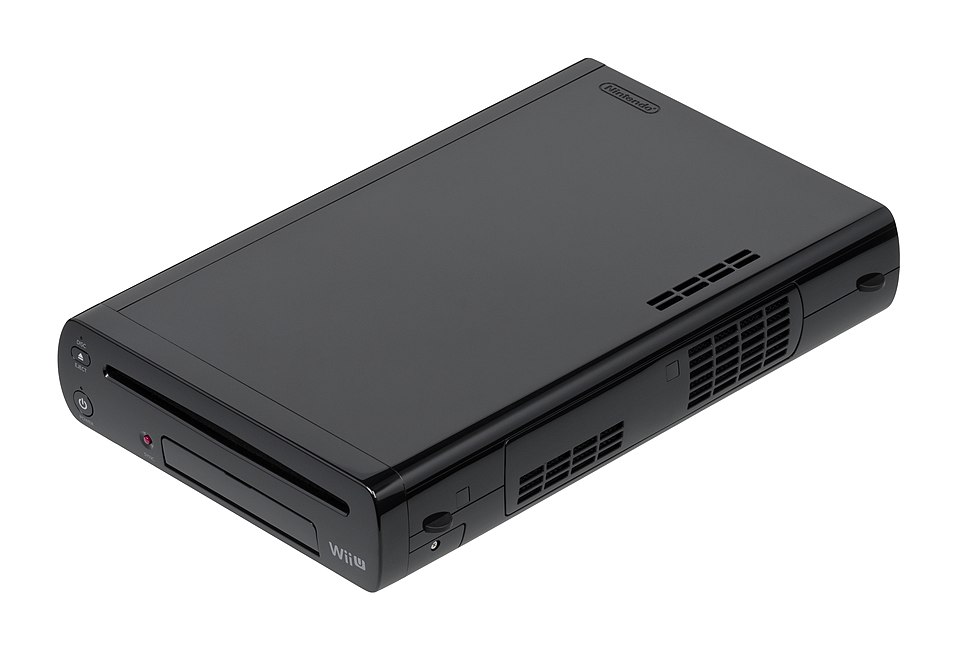
 Nintendo Wii U
Later Nintendo home console. Hardware mods are fewer; Aroma and Tiramisu dominate the scene.
 Nintendo
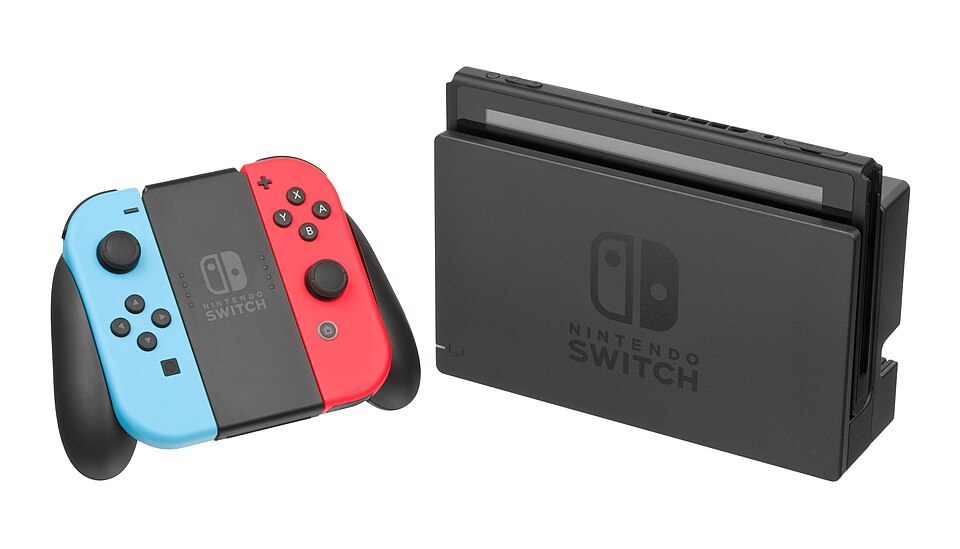
 Nintendo Switch
Hybrid console. Hardware work clusters around early unpatched units, display kits, and unofficial docks.
 Sega
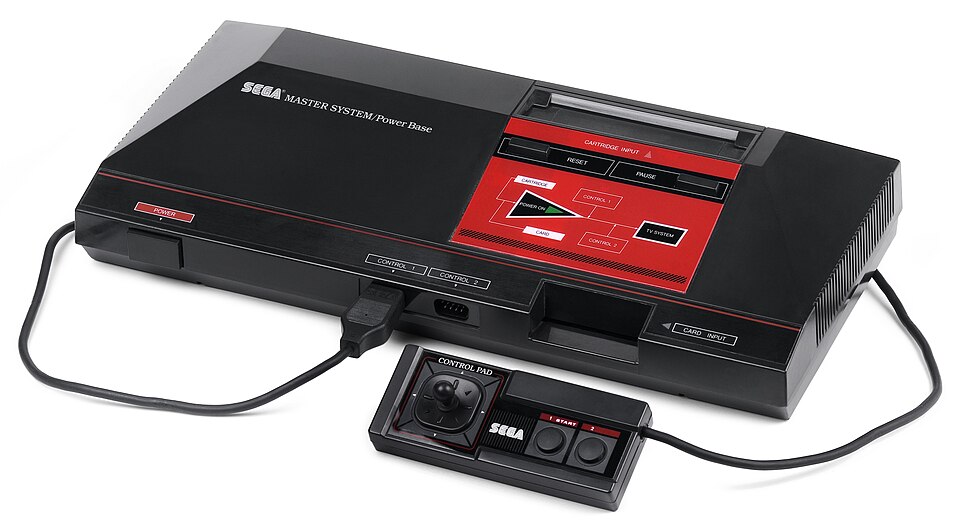
Sega Sega Master System
8-bit Sega home console. RGB, FM sound, and flash carts are the usual upgrades.
 Sega
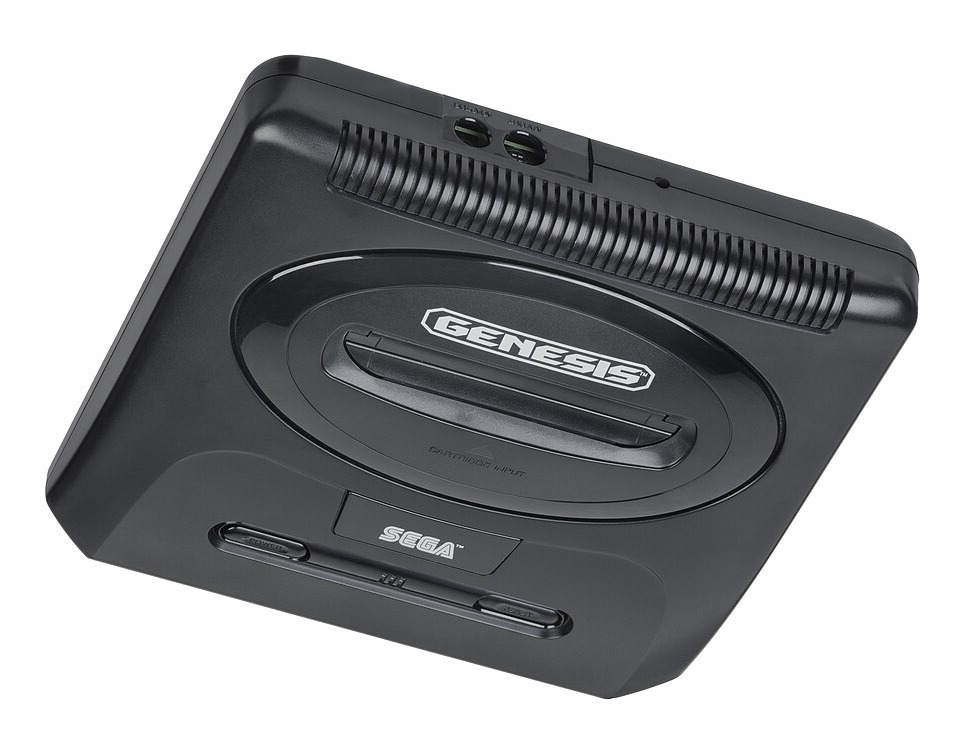
Sega Sega Genesis / Mega Drive
16-bit Sega console with a large RGB, audio-amp, flash-cart, and FPGA-console aftermarket.
 Sega
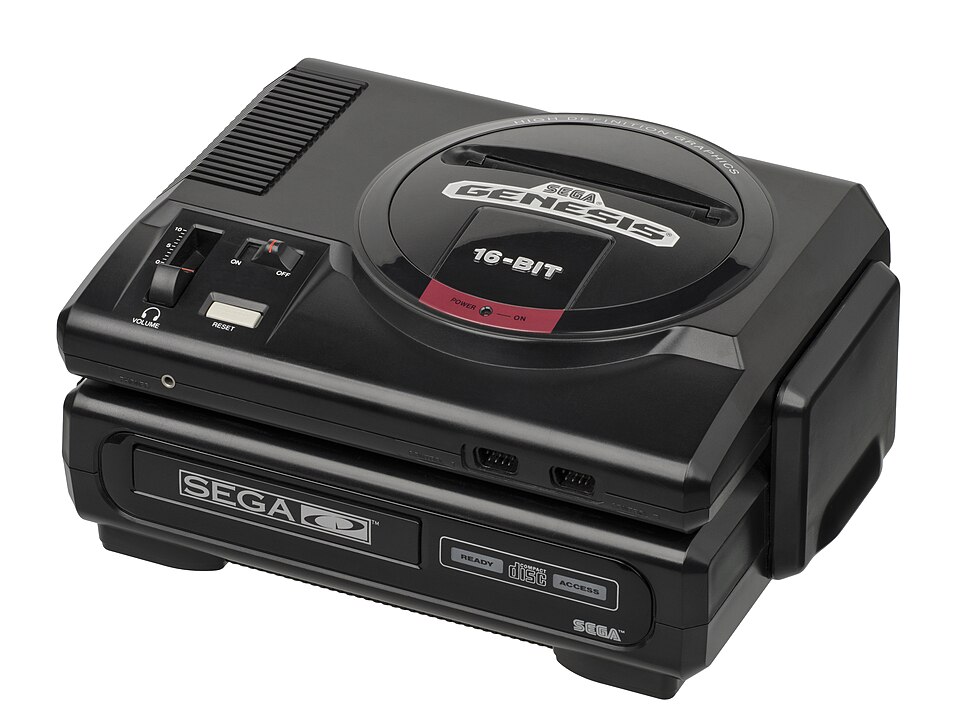
Sega Sega CD / Mega-CD
CD add-on for Genesis. Optical-drive failure drives most third-party replacements.
 Sega
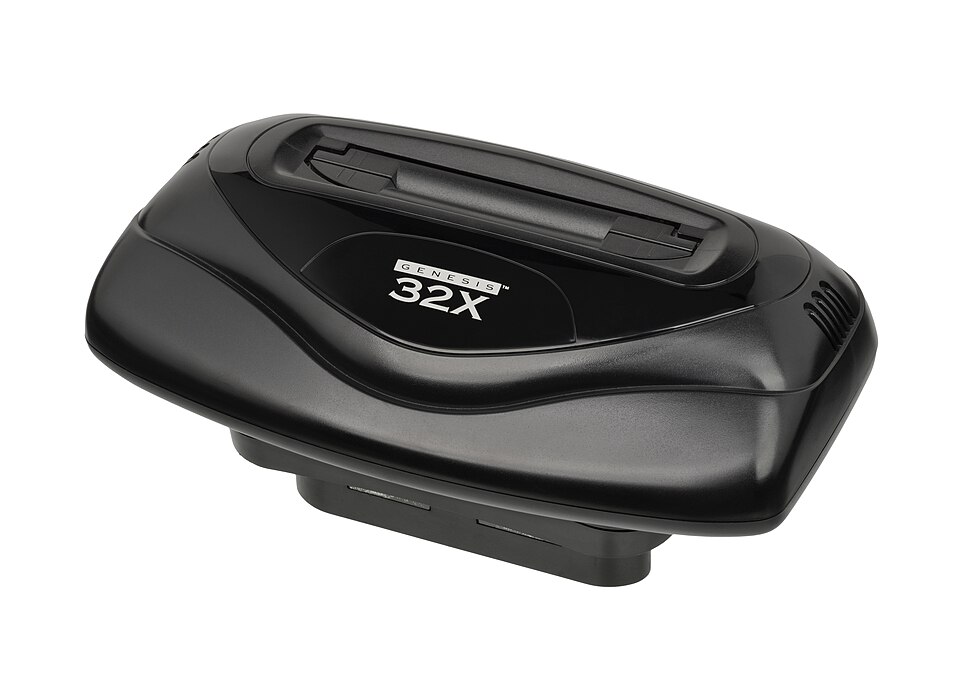
Sega Sega 32X
Genesis add-on. Video pass-through and region work are the common hardware jobs.
 Sega
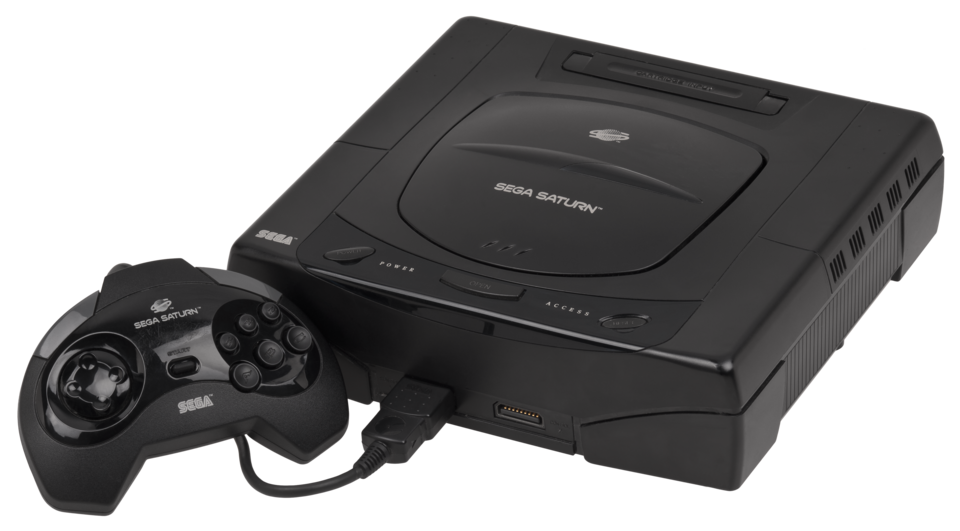
Sega Sega Saturn
Dual-CPU disc console. ODE units, Pseudo Saturn, and RGB/HDMI dominate the aftermarket.
 Sega
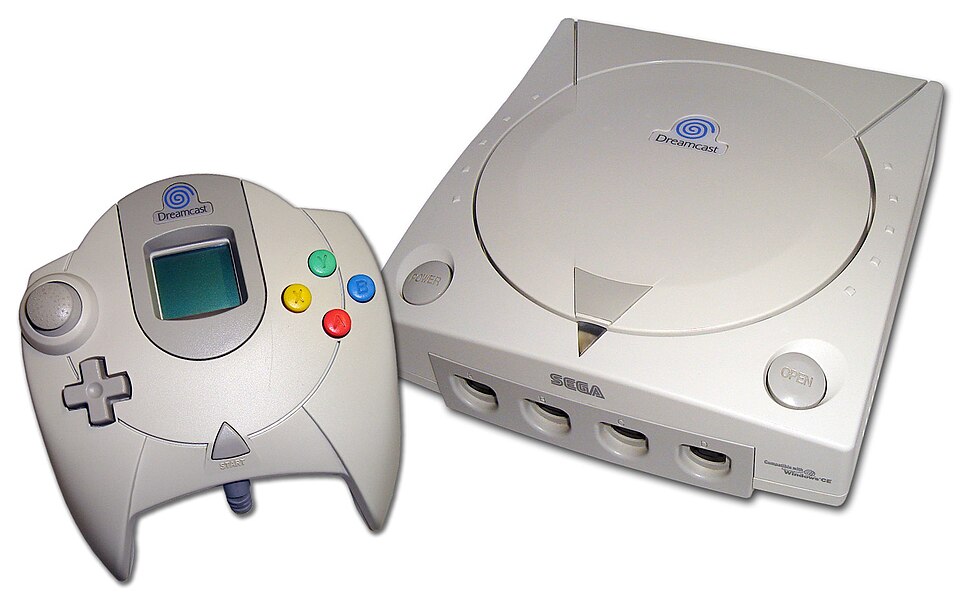
Sega Sega Dreamcast
Final Sega home console. GDEMU-style ODEs, VGA, and HDMI are the core hardware mods.
 Sony
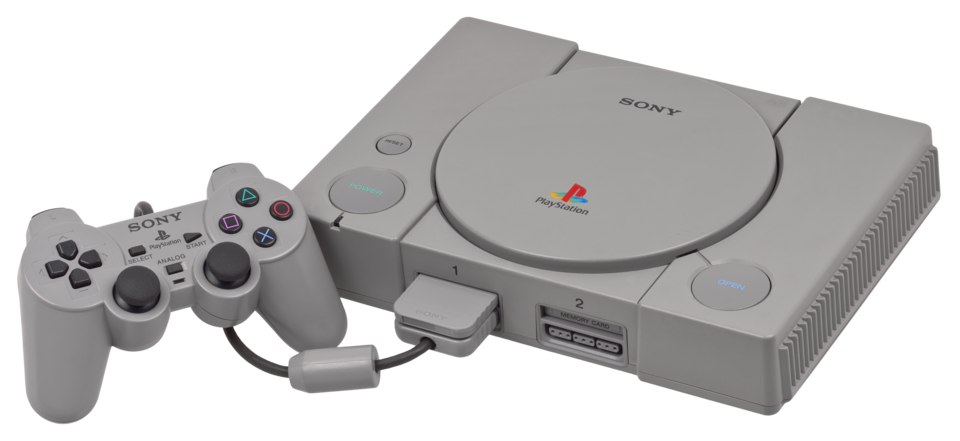
Sony PlayStation
First Sony home console. Optical-drive emulators, OneChip video, and memory-card replacements are the main hardware jobs.
 Sony
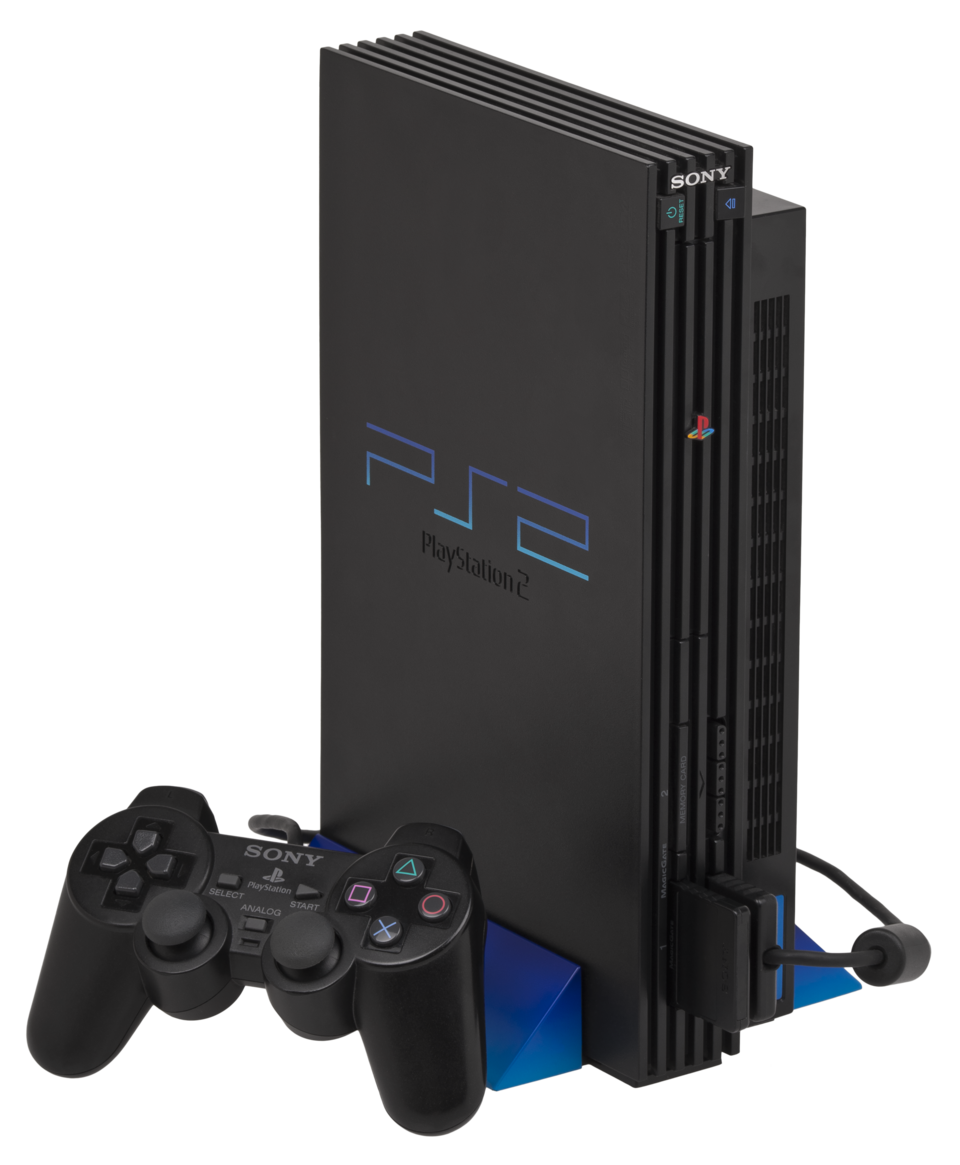
Sony PlayStation 2
Disc console with a huge software scene and a smaller set of HDMI, HDD, and MX4SIO hardware extras.
 Sony
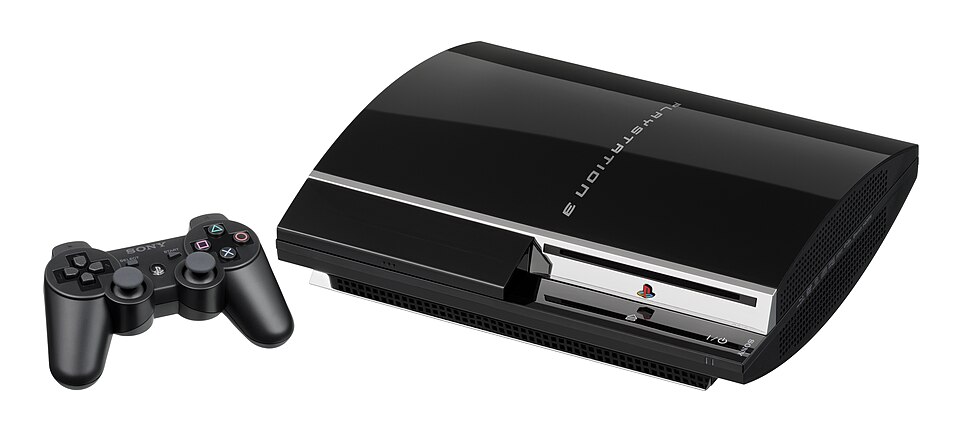
Sony PlayStation 3
Later Sony console. Hardware work is mostly thermal and storage; CFW is software.
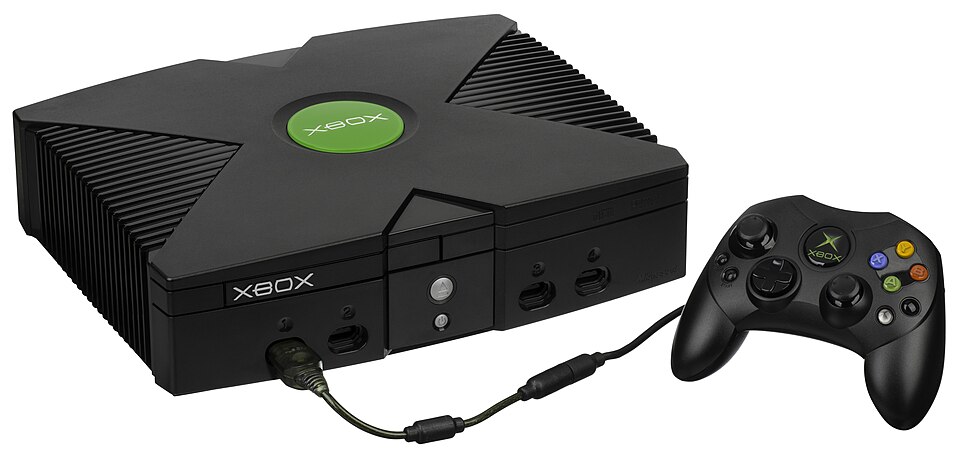 Microsoft
 Original Xbox
First Xbox. Open BIOS chips, HDMI, and clock-capacitor repairs are the hardware center of gravity.
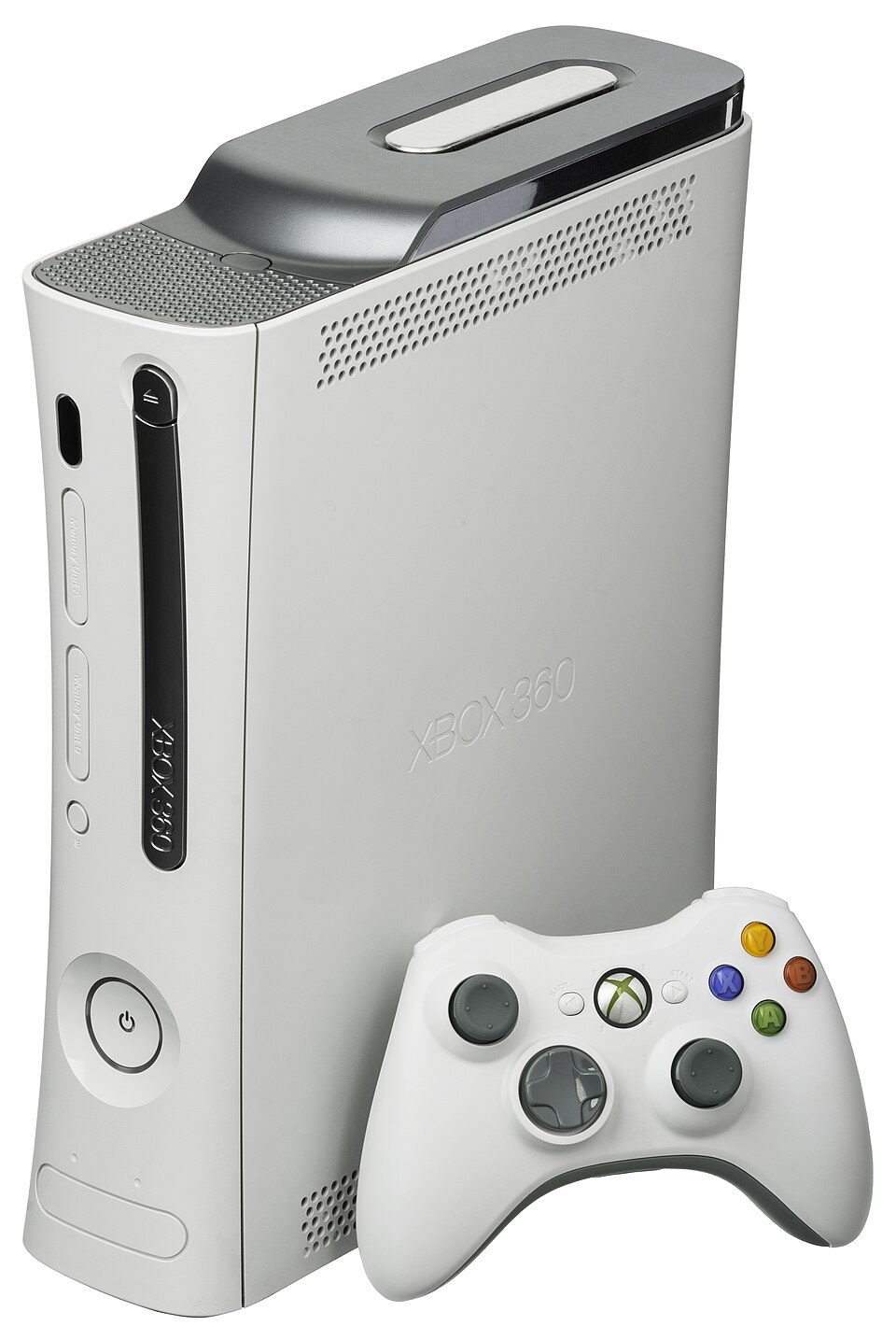 Microsoft
 Xbox 360
Second Xbox. RGH-family glitch boards and HDMI/RF work are the well-known hardware mods.
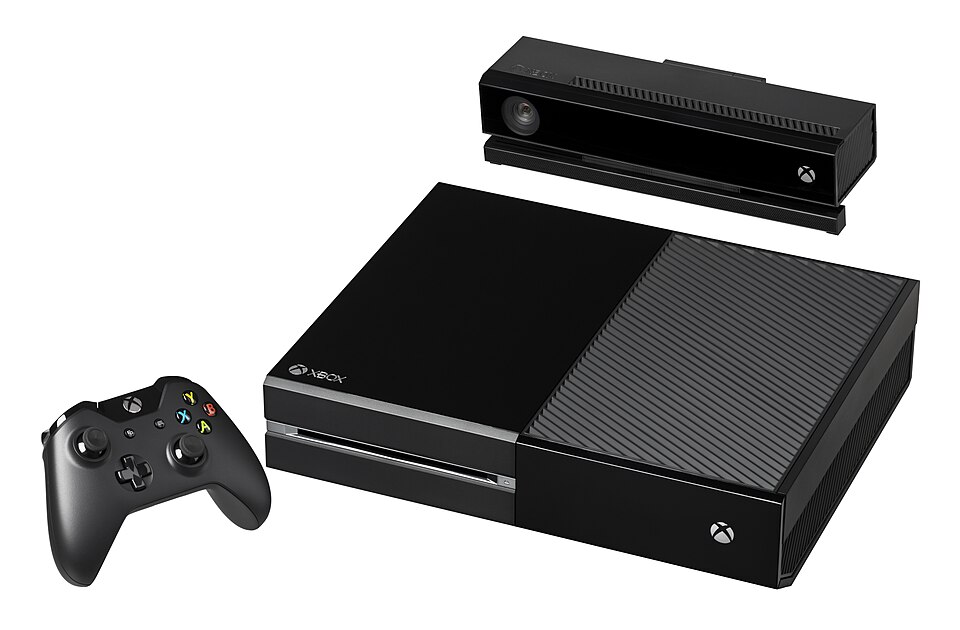 Microsoft
 Xbox One
Later Xbox. Thermal, storage, and official Elite accessories dominate; few open PCB mods.
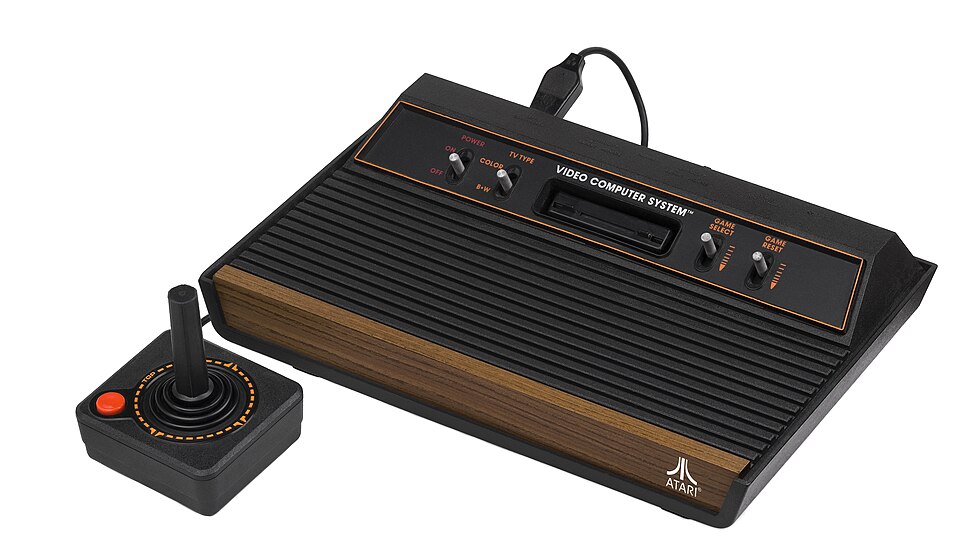 Atari
Atari Atari 2600
First mass-market cartridge console. Harmony-style flash carts and RGB/composite kits remain active.
 Atari
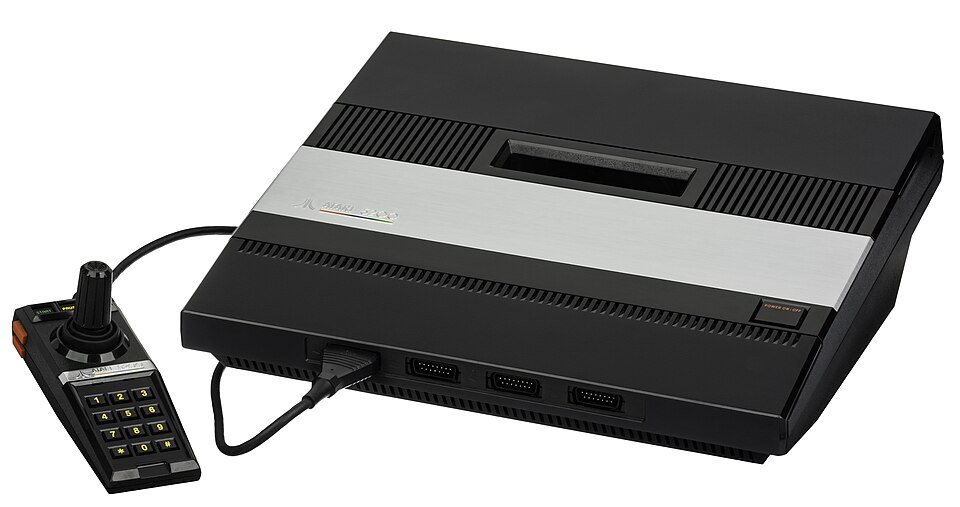
Atari Atari 5200
5200 SuperSystem. Controller rebuilds and composite/RGB kits are the lasting third-party work.
 Atari
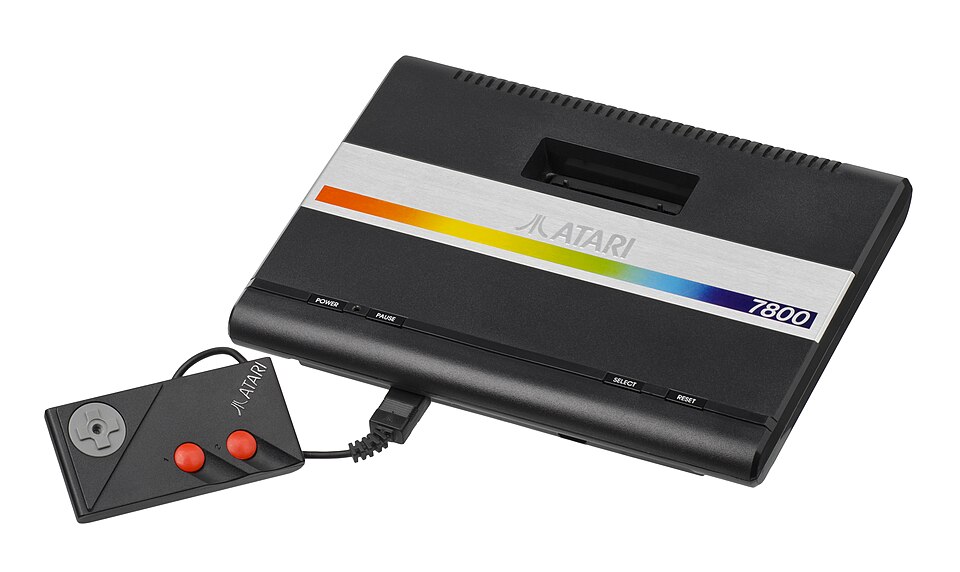
Atari Atari 7800
7800 ProSystem. Concerto/7800GD carts and Maria RGB kits are the usual upgrades.
 Atari
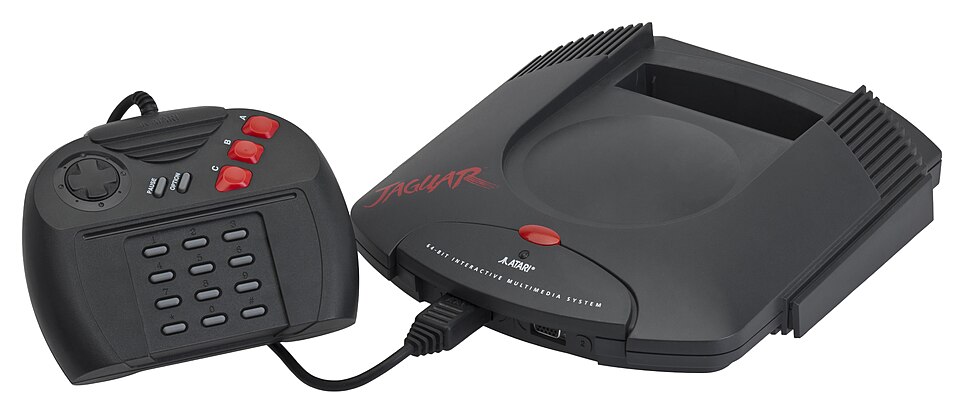
Atari Atari Jaguar
64-bit Atari console. Jaguar GD, RGB, and controller work are the remaining hardware scene.
 SNK
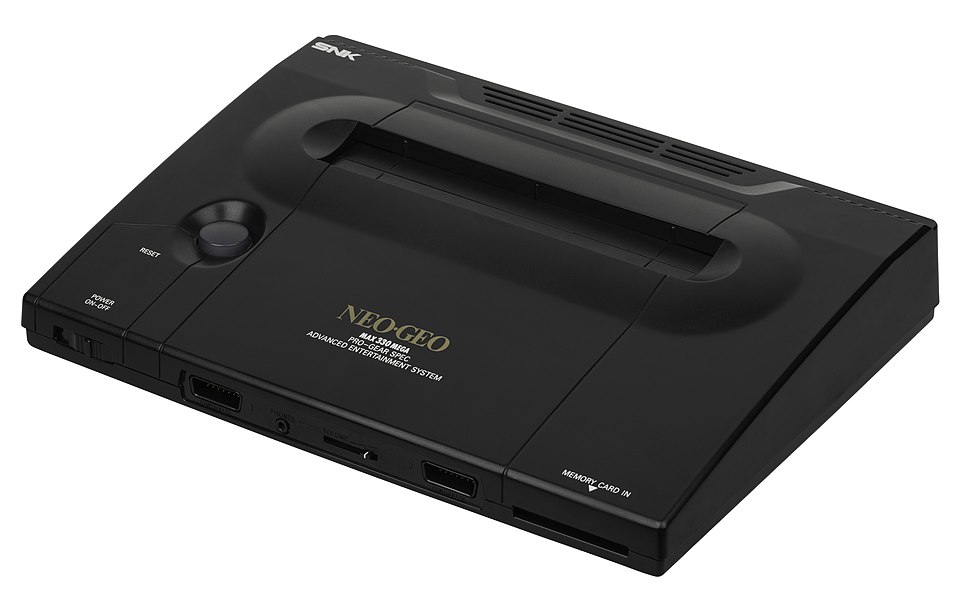
SNK Neo Geo AES / MVS
Cartridge arcade/home pair. Darksoft, MV1C conversions, and UniBIOS define the aftermarket.
 NEC
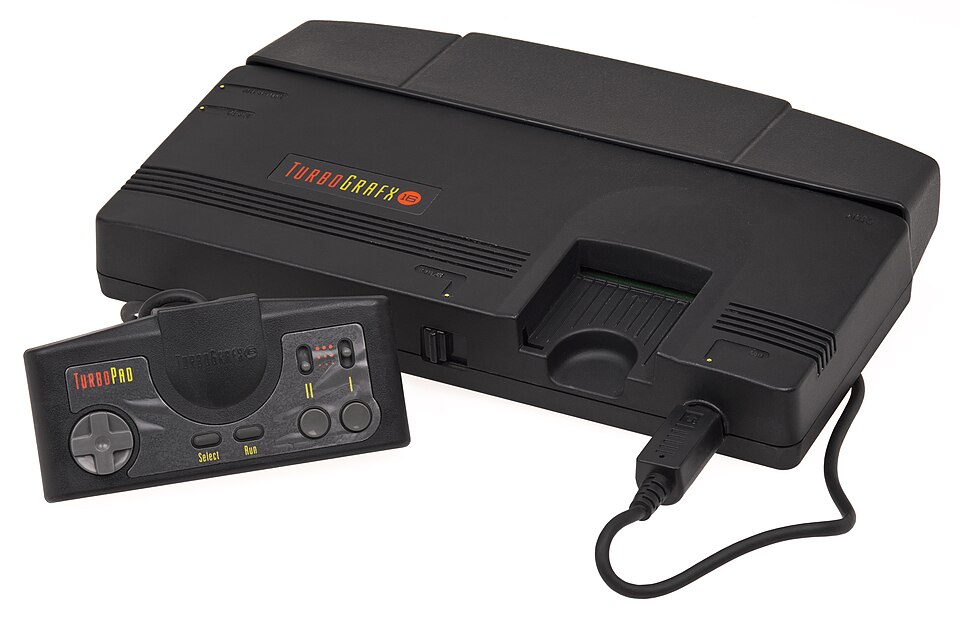
NEC PC Engine / TurboGrafx-16
HuCard console. Turbo EverDrive, Super SD System, and RGB kits are the usual upgrades.
 Coleco
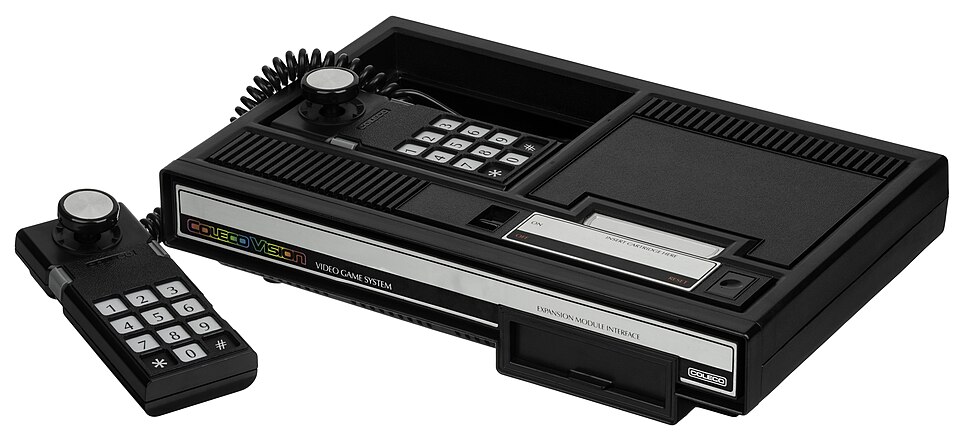
 ColecoVision
TMS9918 console. Opcode / AtariAge flash carts and RGB kits keep the library playable.
 Mattel
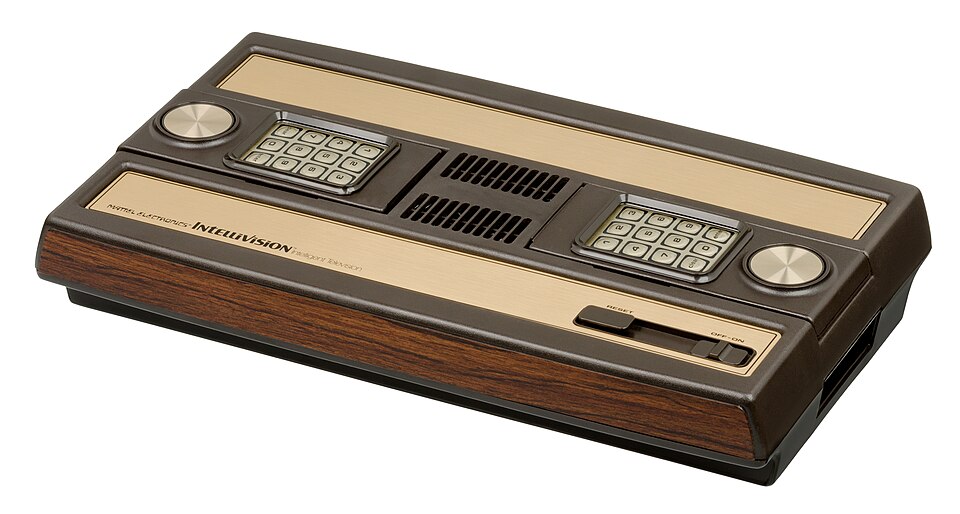
 Intellivision
Mattel console. LTO Flash and composite/RGB kits are the active hardware products.
 3DO / Panasonic / GoldStar / Sanyo
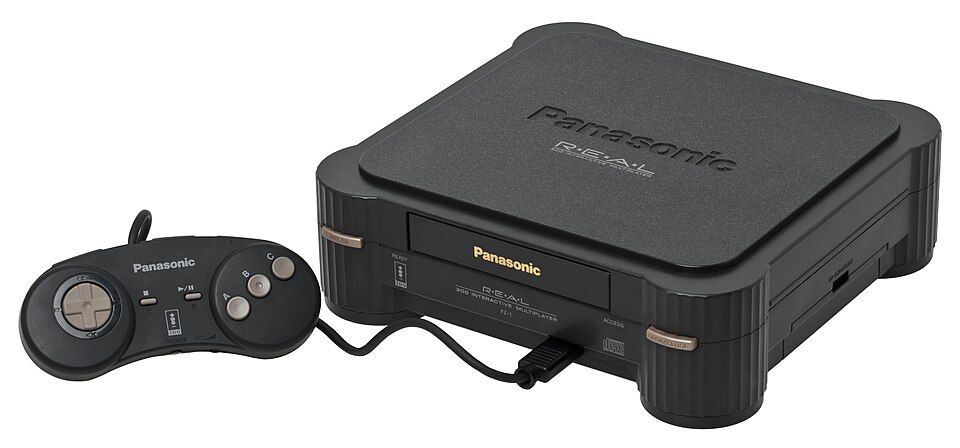
 3DO Interactive Multiplayer
Licensed disc console. Optical-drive repairs and RGB/VGA boards are the remaining hardware work.
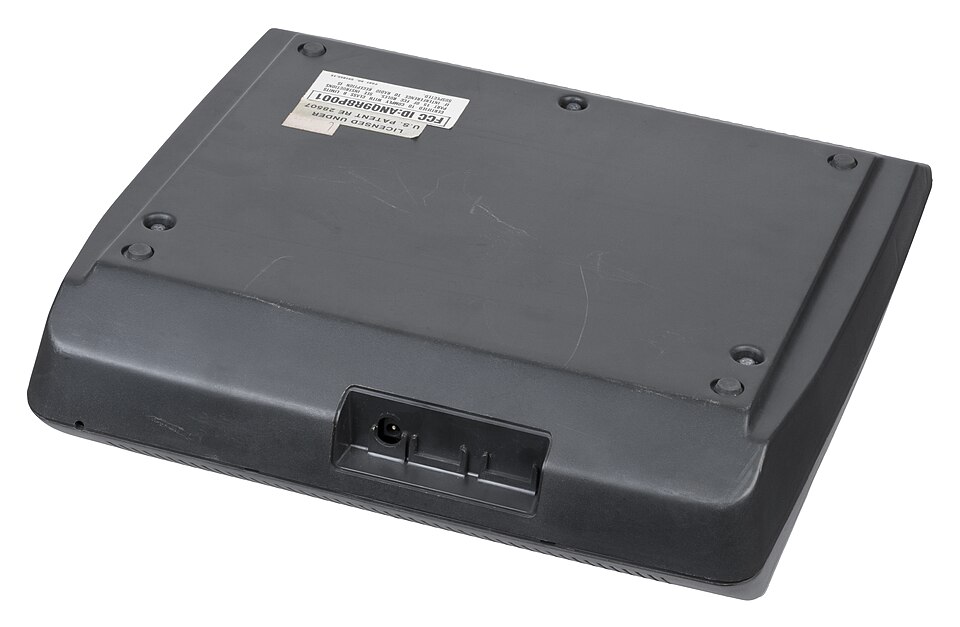 Magnavox / Philips
 Magnavox Odyssey²
Keyboard console. Home-brew carts and AV kits are small but active.
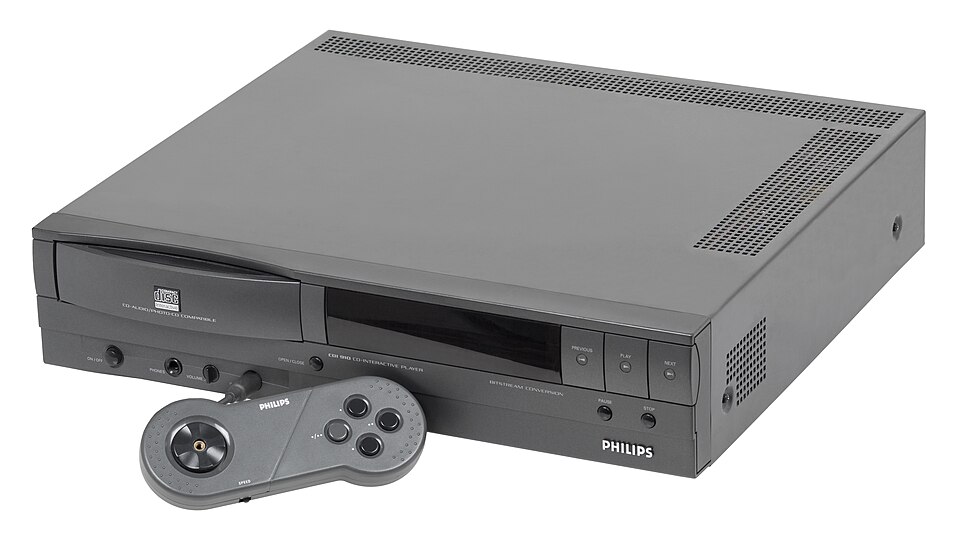 Philips
 Philips CD-i
CD-based multimedia player. Optical-drive repairs and RGB kits are the hardware scene.
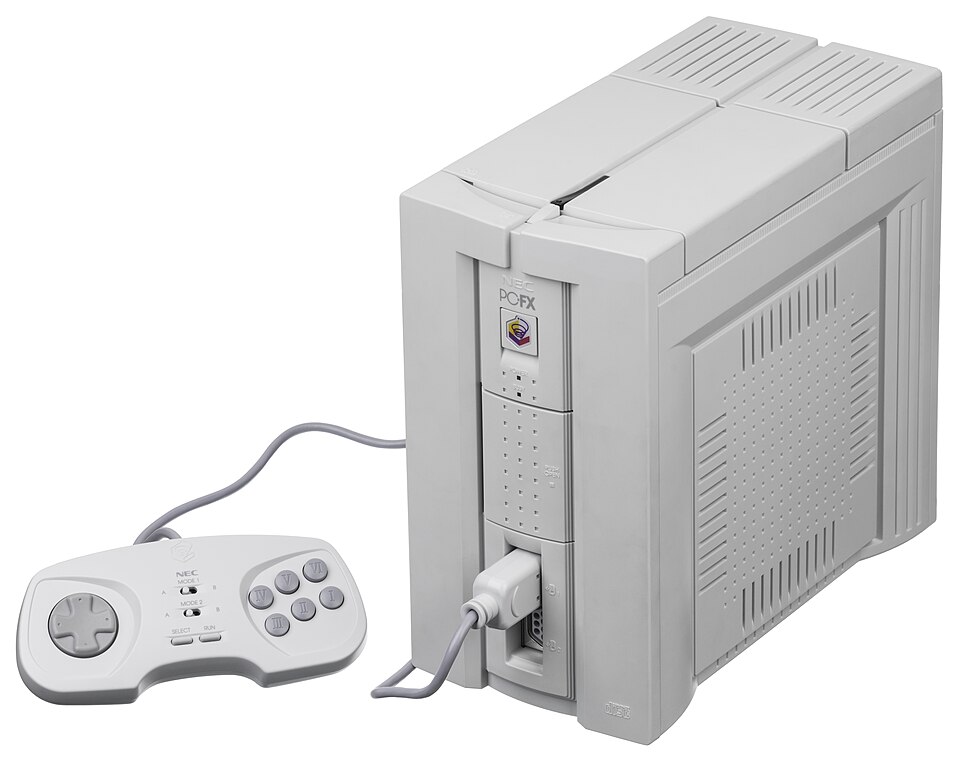 NEC
NEC PC-FX
NEC disc console. RGB, backup devices, and ODE experiments keep units usable.
Handhelds
12 systems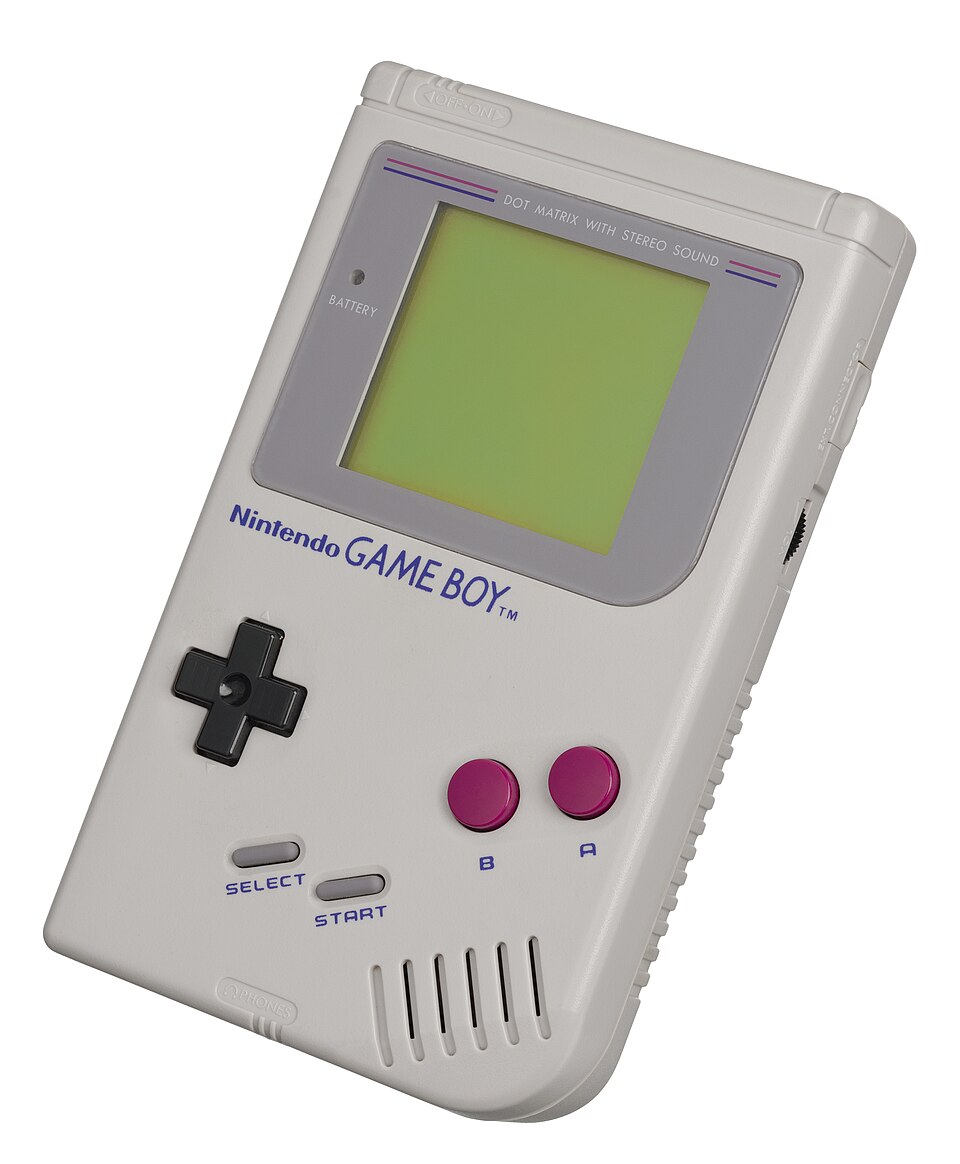 Nintendo
 Game Boy
Original monochrome handheld. Backlight, IPS, audio amp, and flash-cart mods are the usual work.
 Nintendo
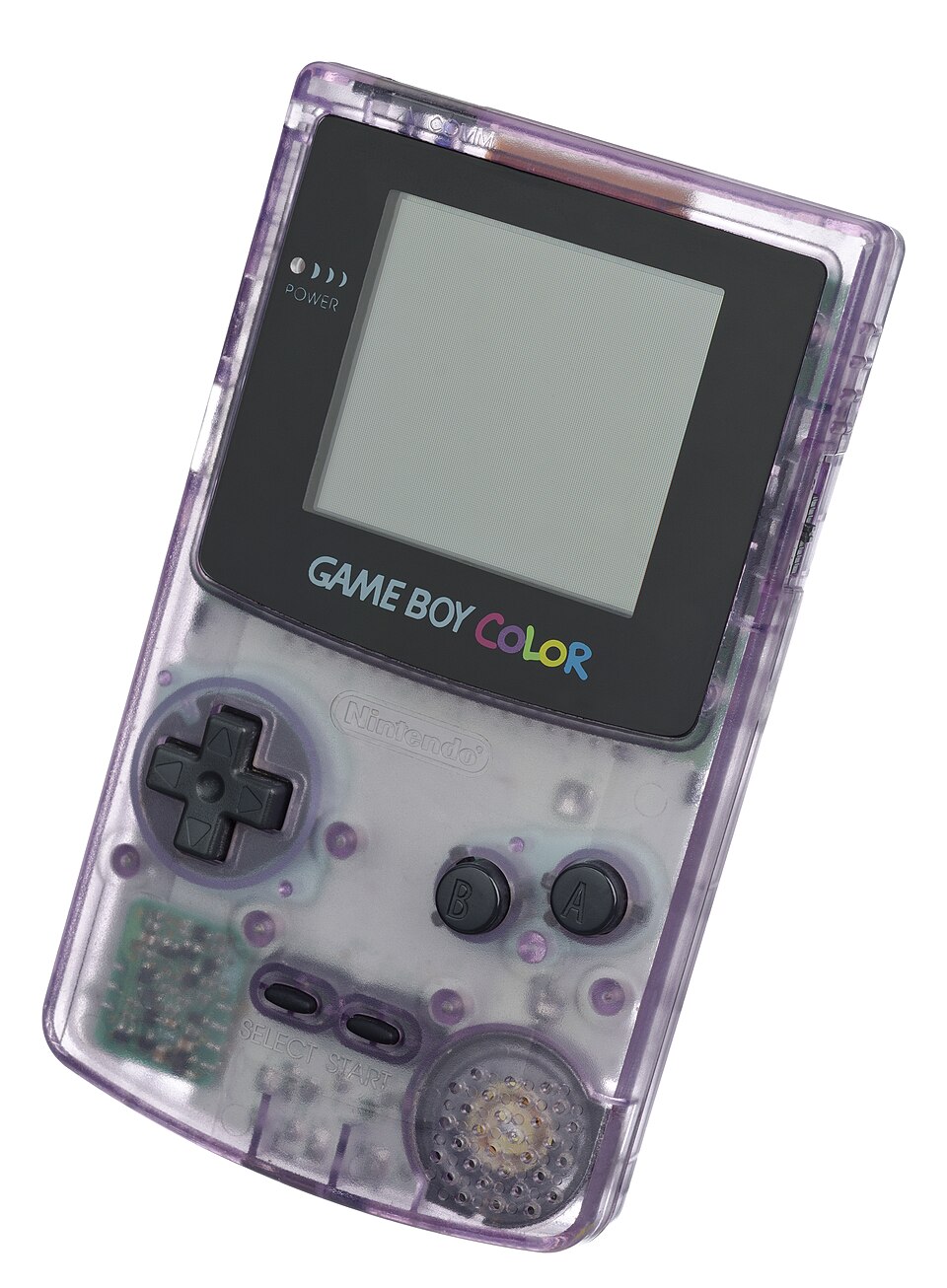
 Game Boy Color
Color successor to the DMG. Shares many IPS, amp, and flash-cart products with original Game Boy.
 Nintendo
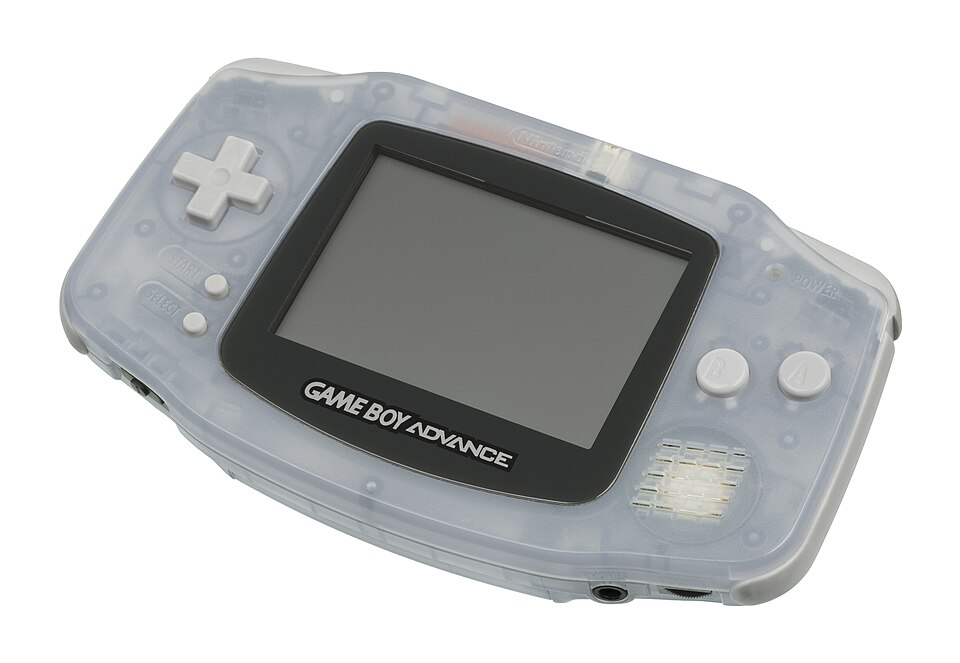
 Game Boy Advance
32-bit handheld with IPS, SP AGS-101 swaps, flash carts, and wireless adapters as the common jobs.
 Nintendo
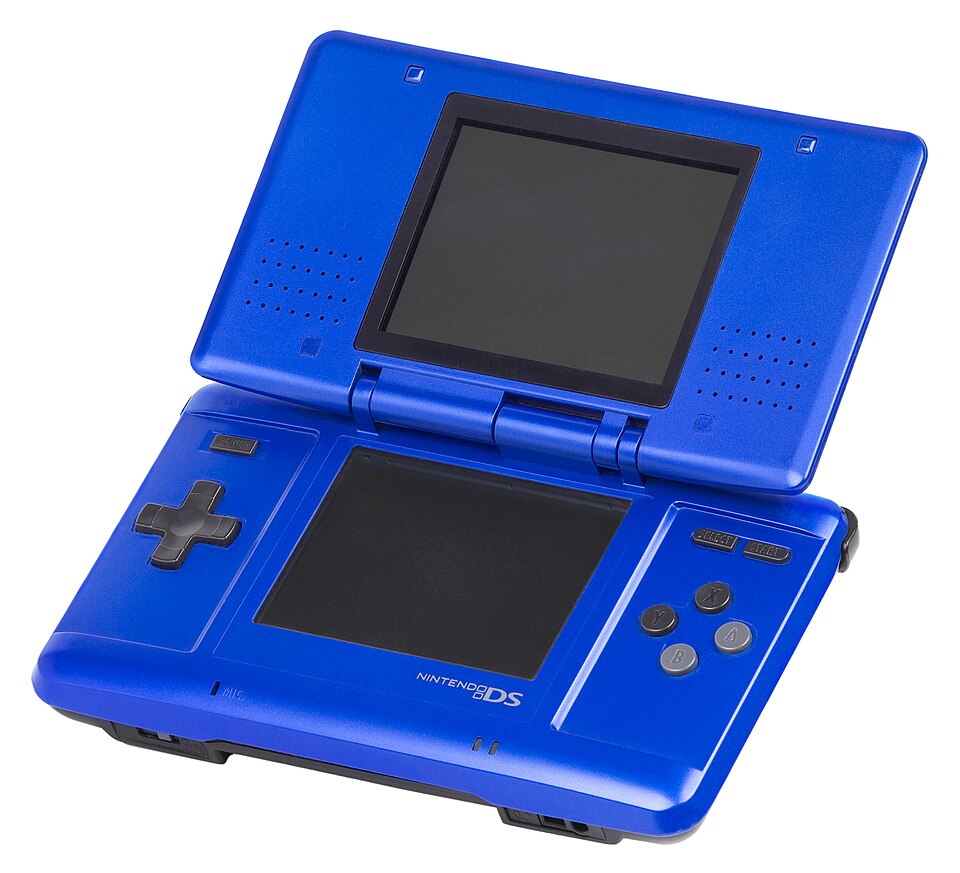
 Nintendo DS
Dual-screen handheld. Flash carts, CFW, and screen replacements are the usual third-party work.
 Nintendo
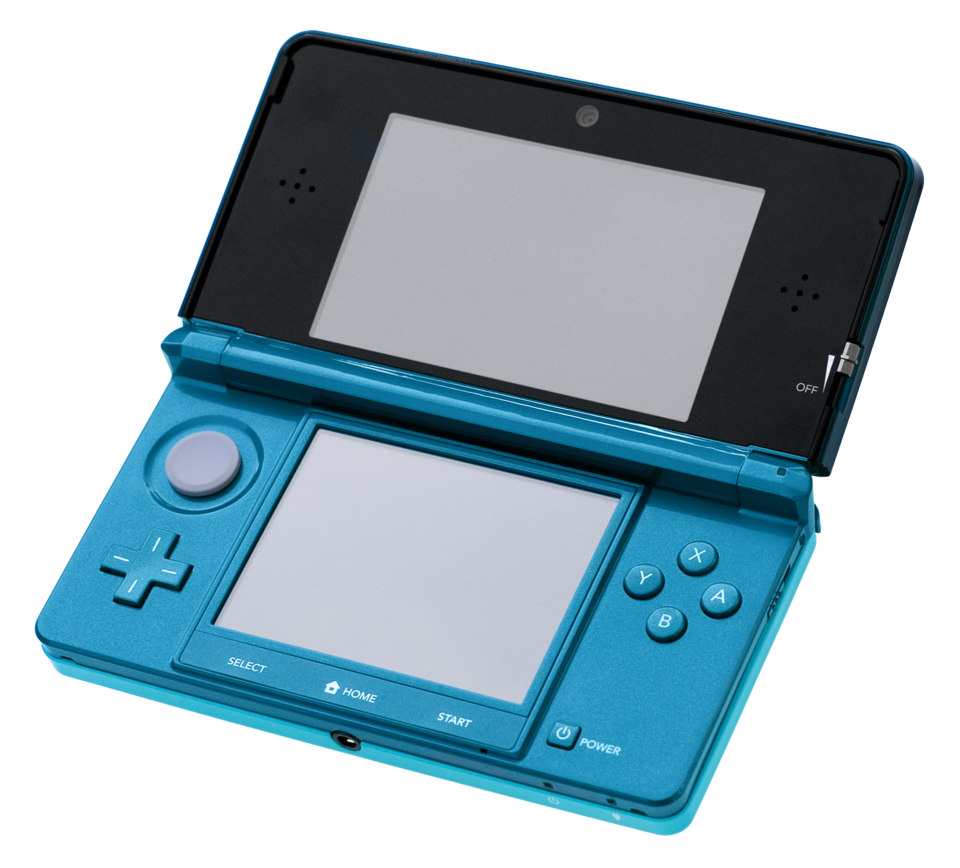
 Nintendo 3DS
Stereoscopic handheld. Luma3DS and related CFW dominate; hardware mods are mostly analog sticks and screens.
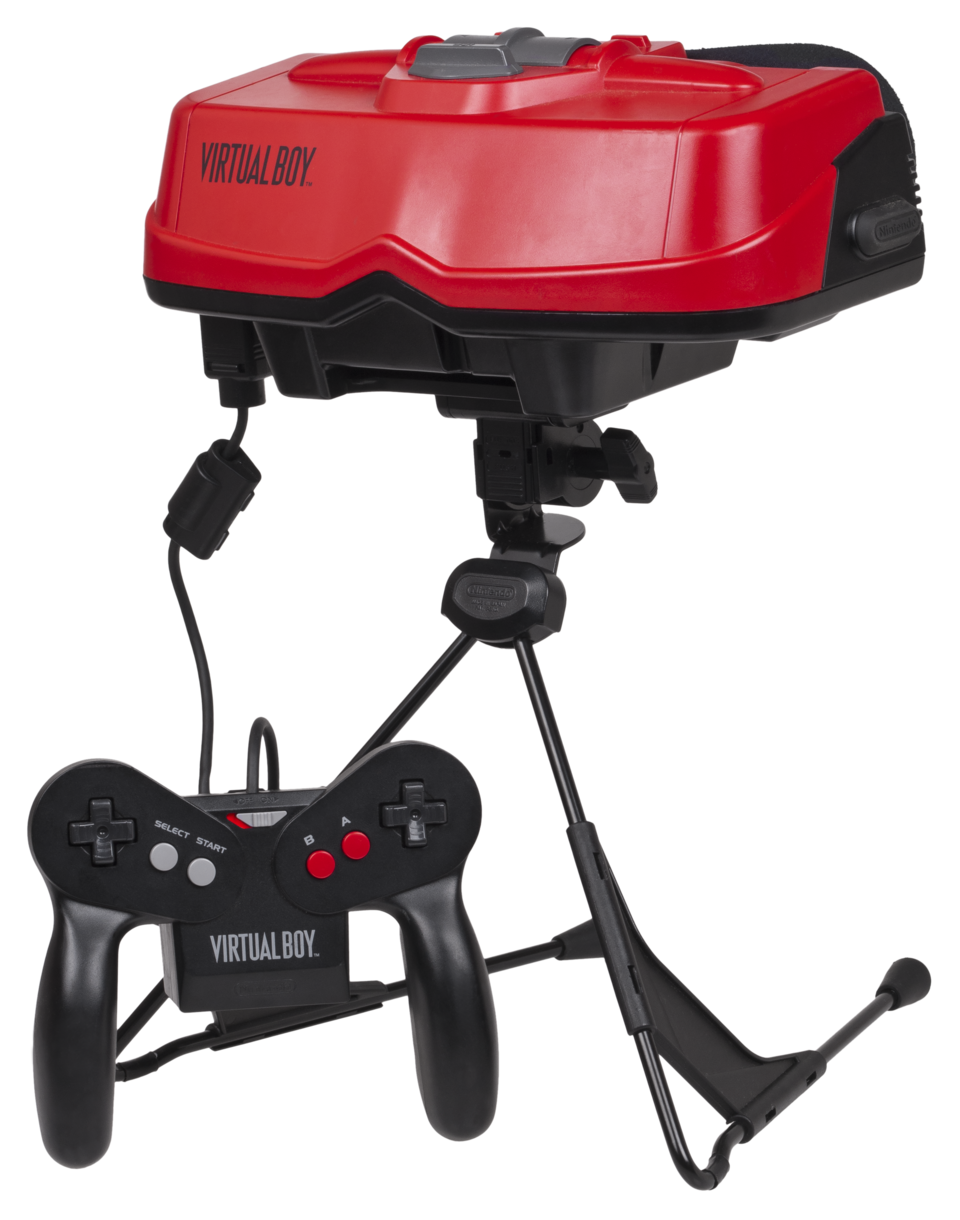 Nintendo
 Virtual Boy
Stereoscopic tabletop. LED array aging drives most third-party display and flash-cart work.
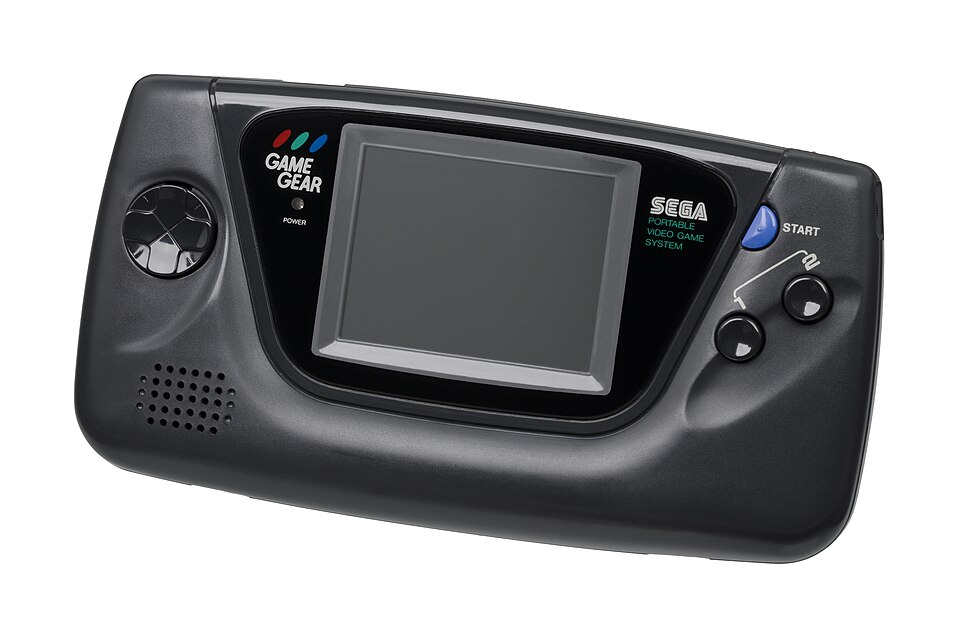 Sega
Sega Sega Game Gear
Color handheld whose original LCD and capacitors fail often. IPS and flash carts are the usual work.
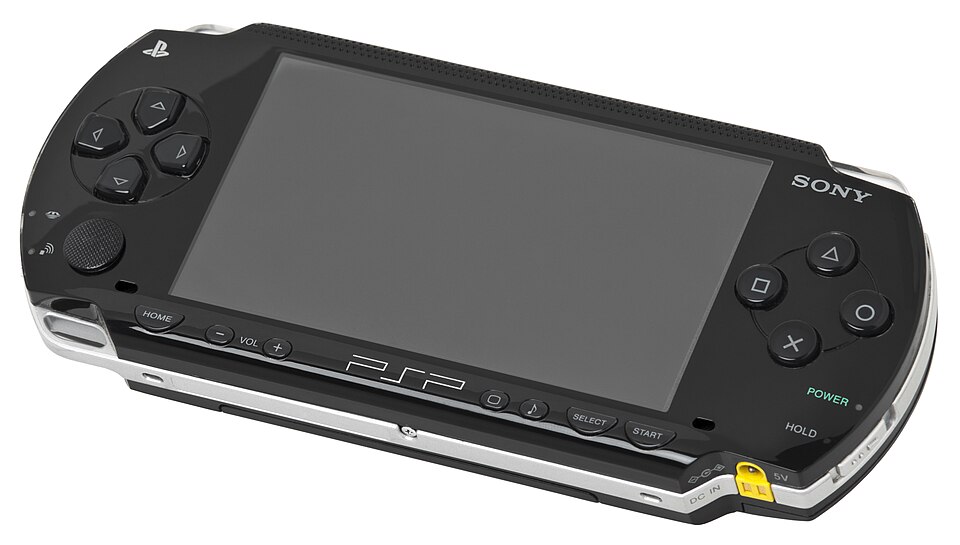 Sony
Sony PlayStation Portable
UMD handheld. IPS kits, batteries, and CFW are the common third-party upgrades.
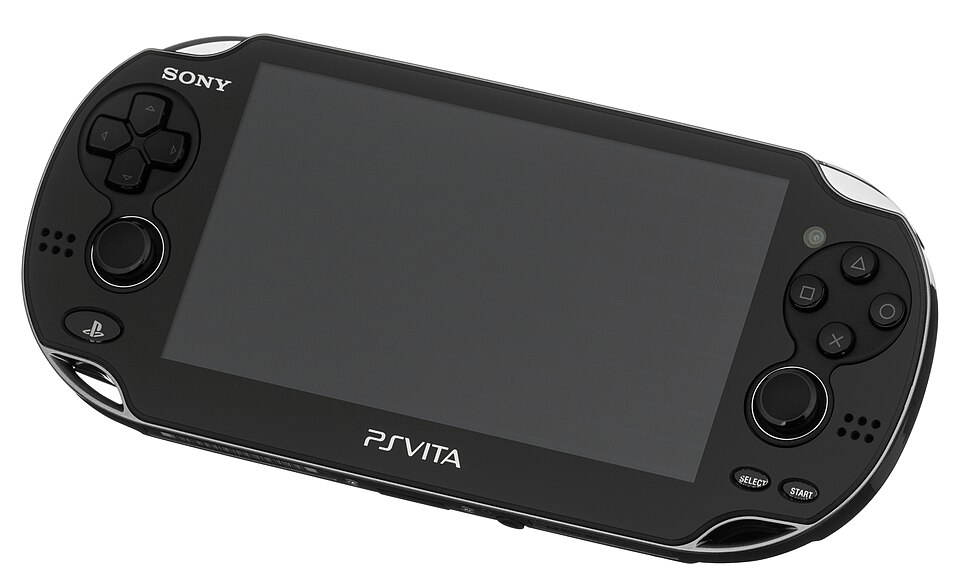 Sony
Sony PlayStation Vita
Later Sony handheld. SD2Vita and VitaShell define the aftermarket more than internal video boards.
 Atari
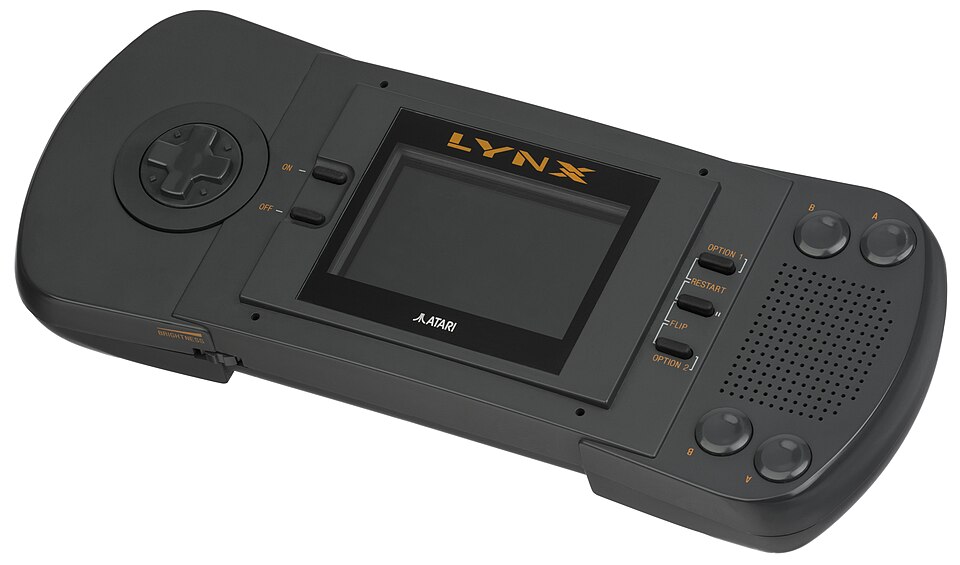
Atari Atari Lynx
Color handheld. LCD replacements, McWill kits, and SD flash carts keep units playable.
 SNK
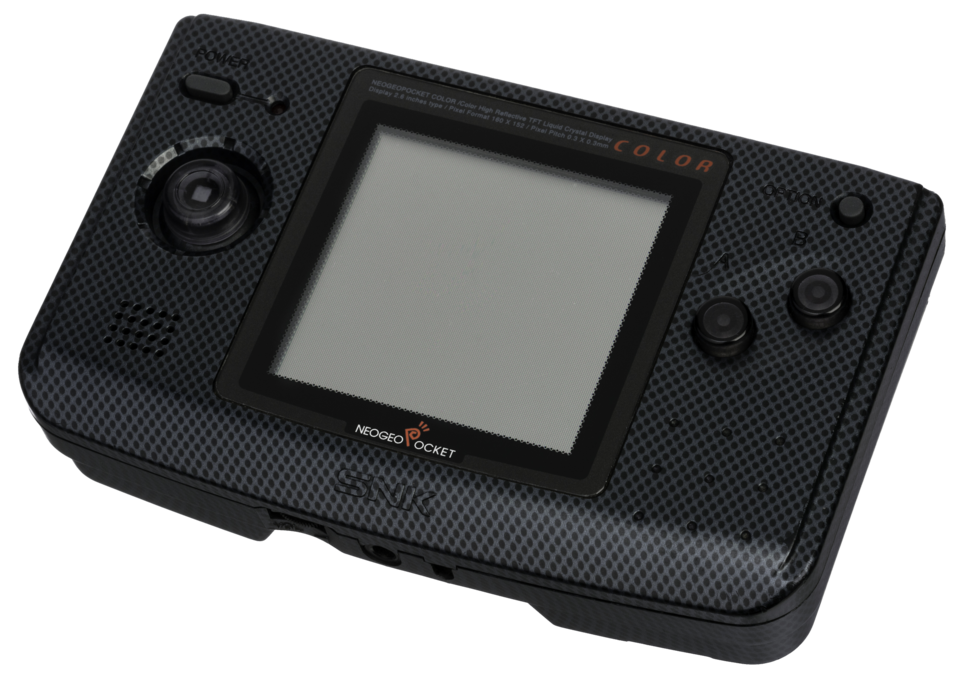
SNK Neo Geo Pocket / Color
SNK handheld. Flash carts and backlight/IPS kits are the remaining hardware work.
 Bandai
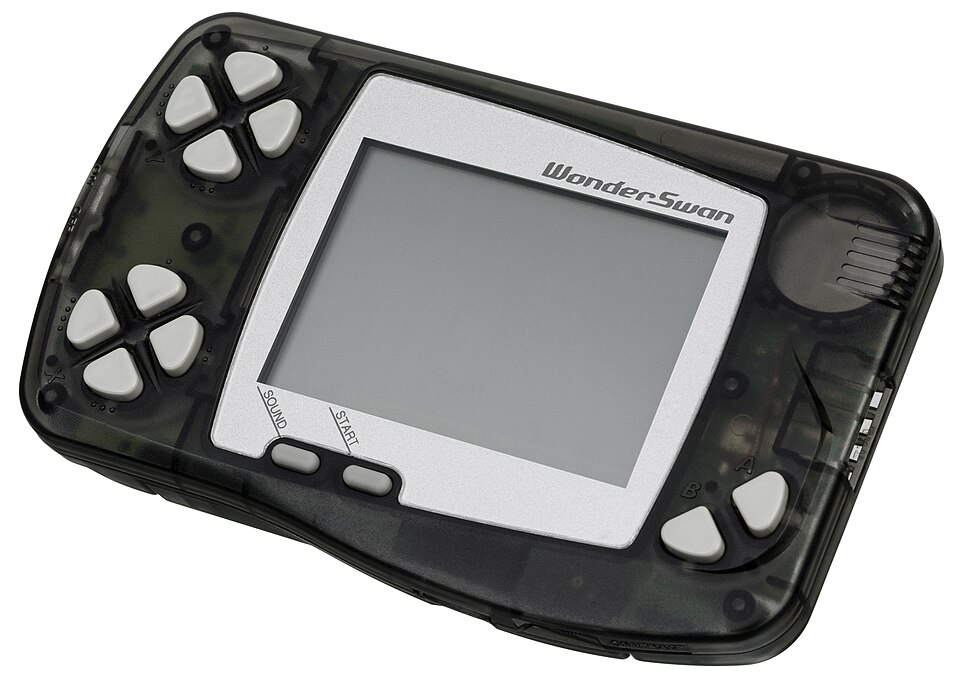
 WonderSwan / Color / Crystal
Bandai handheld. WonderWitch, flash carts, and IPS kits are the third-party stack.
Home computers
31 systems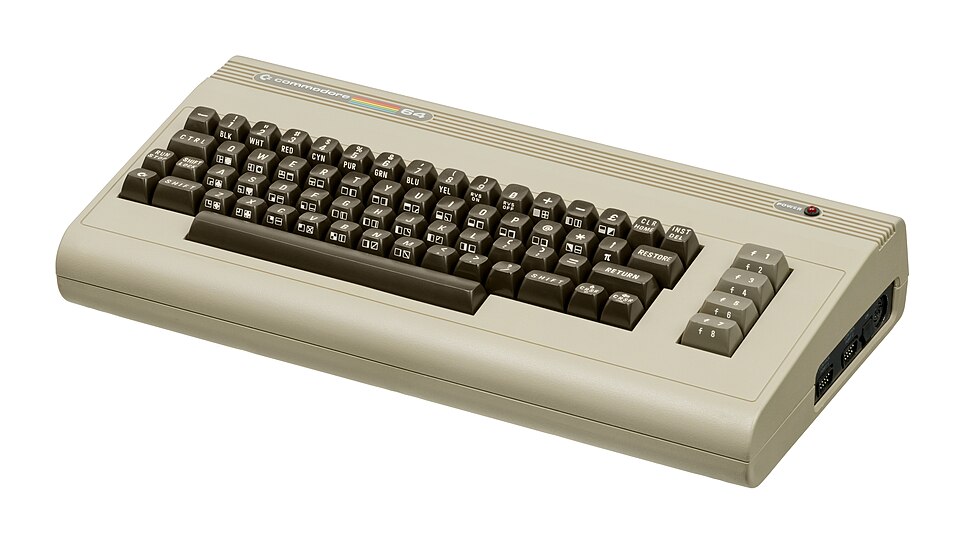 Commodore
 Commodore 64 / 64C
Best-selling home computer. Cartridge, IEC, SID, and video replacements are a mature open-hardware scene.
 Commodore
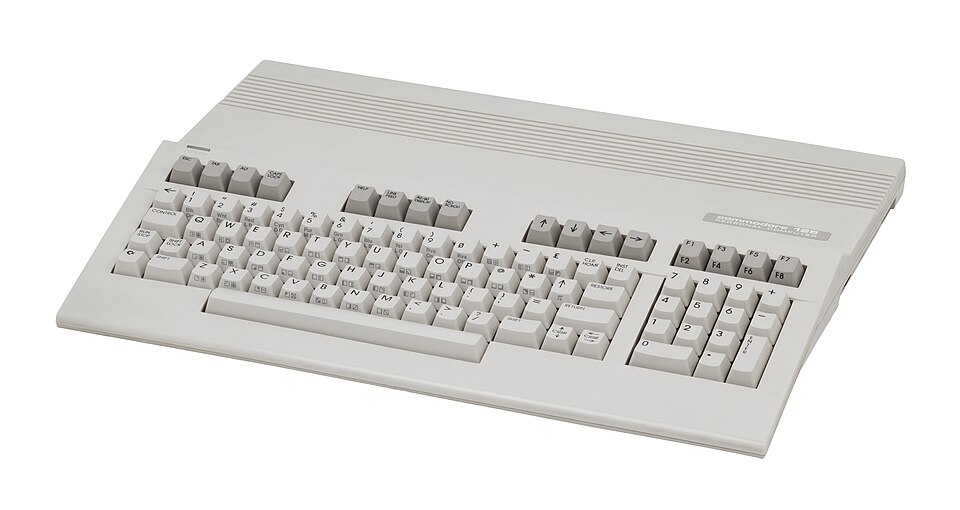
 Commodore 128
C64-compatible 80-column machine. Shares many C64 carts plus 8563/VDC video work.
 Commodore
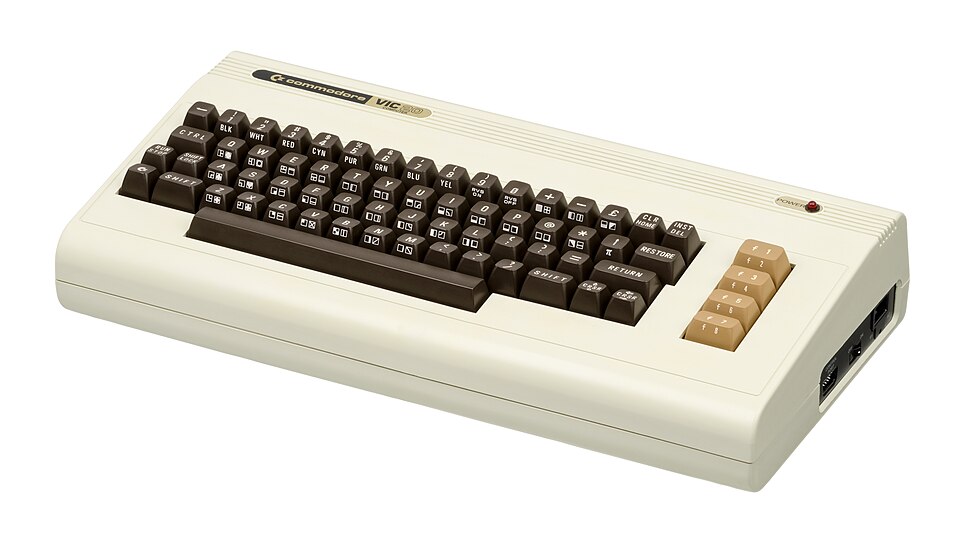
 Commodore VIC-20
First million-selling Commodore computer. RAM expanders and cartridge flash devices remain in production.
 Commodore
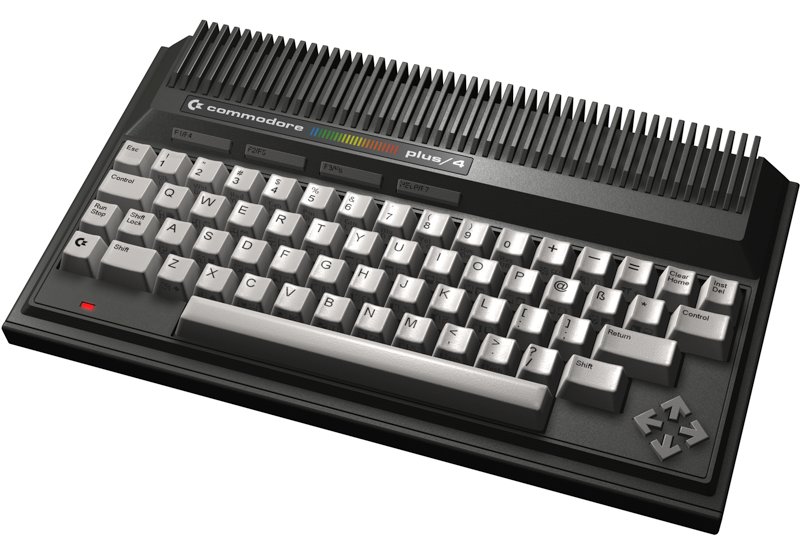
 Commodore Plus/4 / 16
TED-series machines. TED RGB, RAM, and cartridge replacements are the usual jobs.
 Commodore
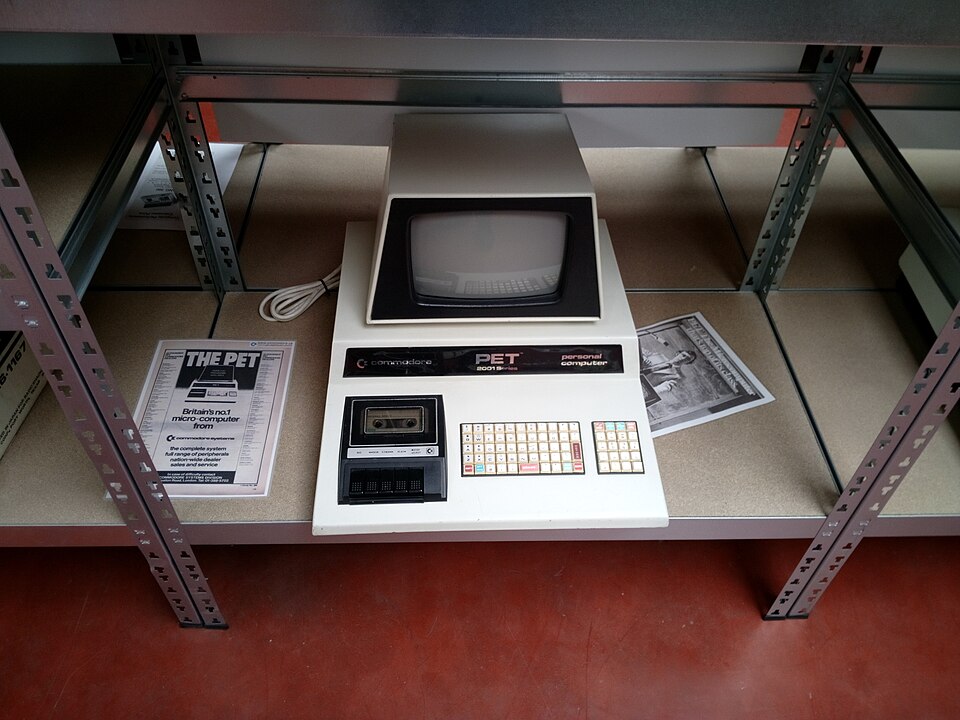
 Commodore PET / CBM
Built-in-monitor CBM machines. IEEE-488 disk emulators and CRT replacements keep them useful.
 Commodore
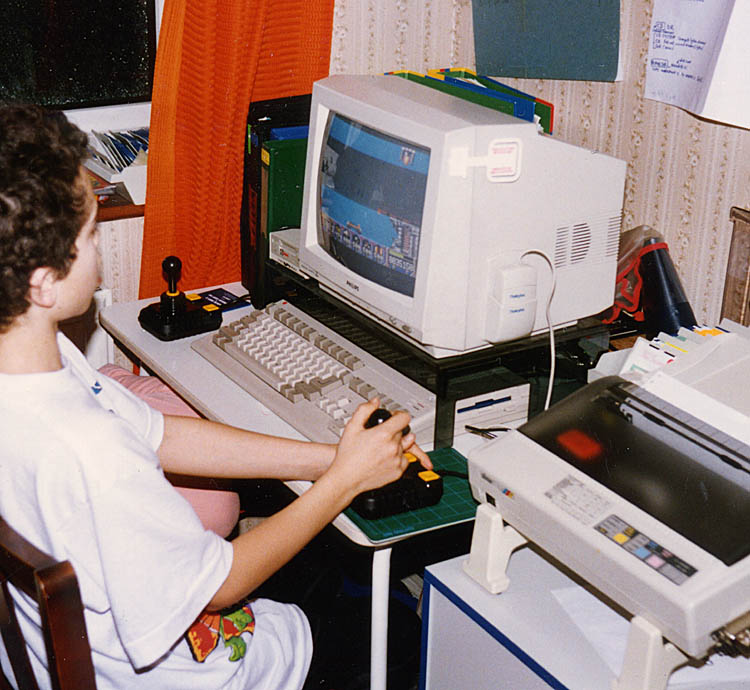
 Commodore Amiga
Custom-chip home computer. Accelerators, scan-doublers, and SCSI replacements are a full industry.
 Apple
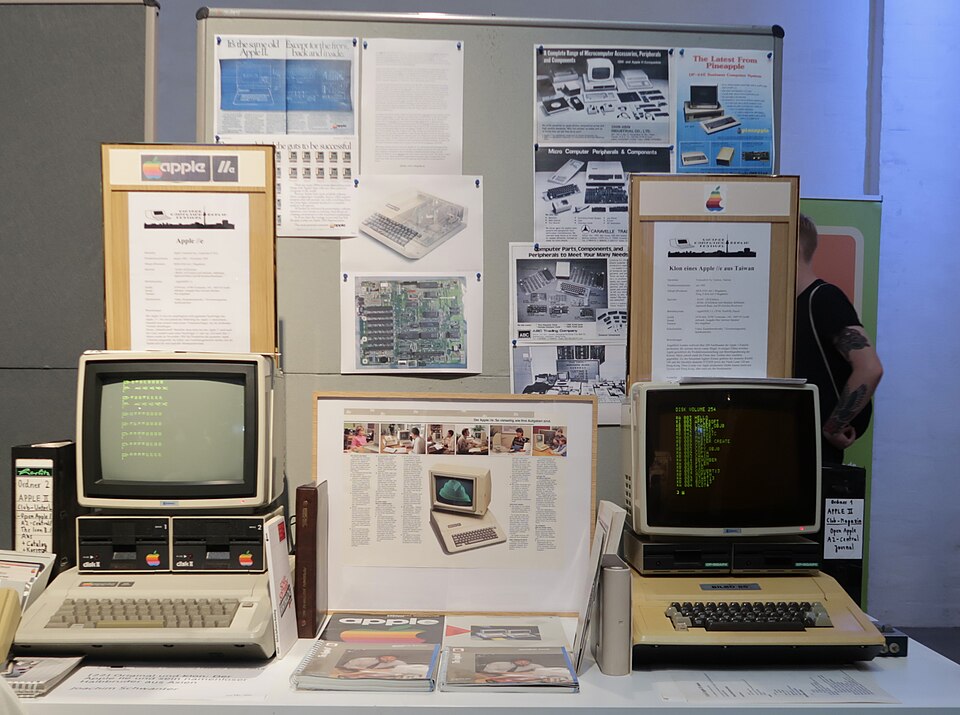
Apple Apple II / IIe / IIc
Slot-based Apple 8-bit line. VGA, disk emulators, and Mockingboard-class cards remain active.
 Apple
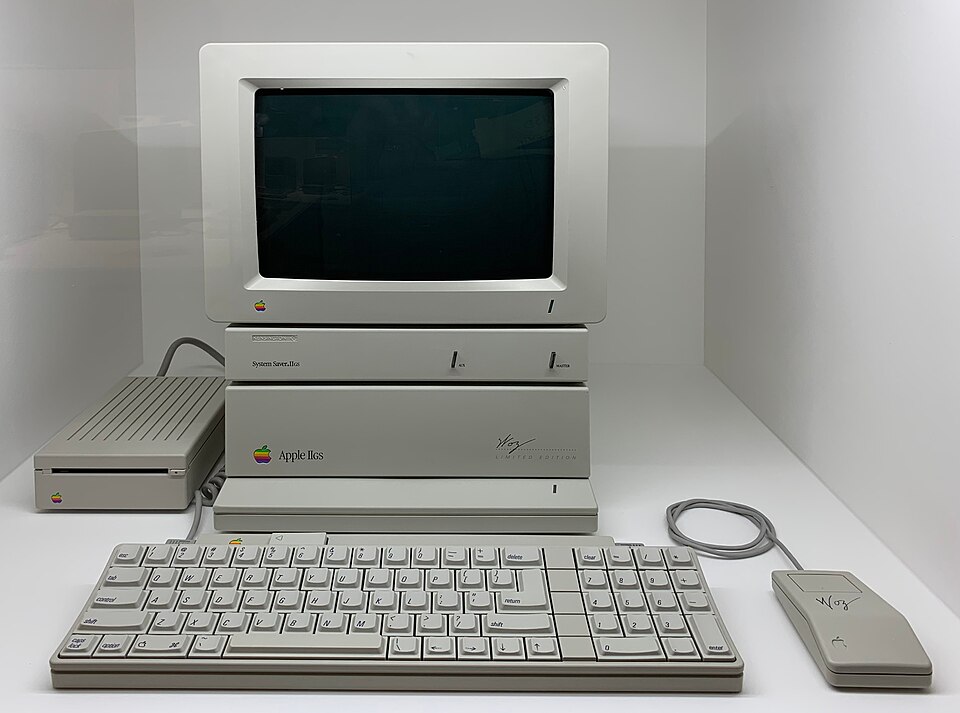
Apple Apple IIgs
16-bit Apple II. Ensoniq, VidHD, and Fast-class accelerators are the usual upgrades.
 Apple
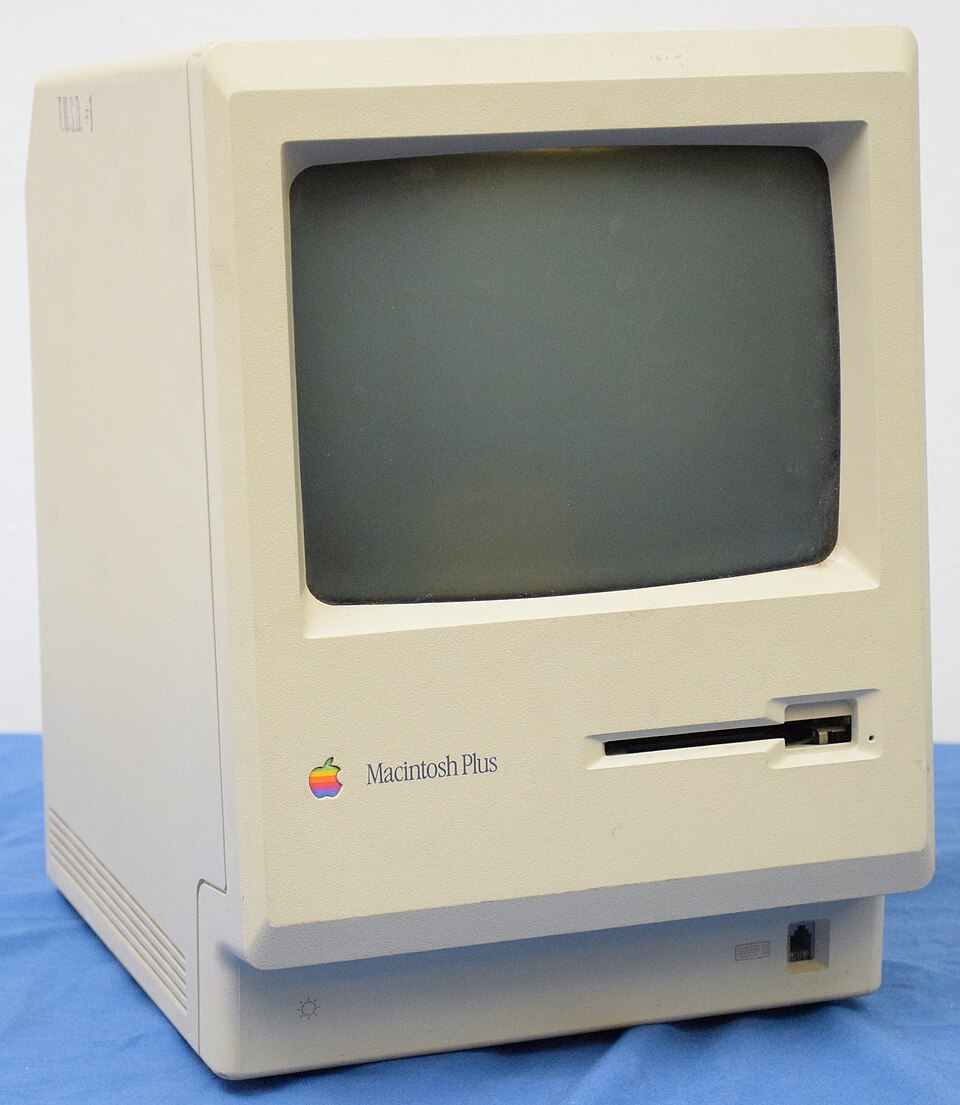
Apple Macintosh (68k / early PowerPC)
Compact and modular Macs. SCSI replacements and analog-board recaps are the core third-party work.
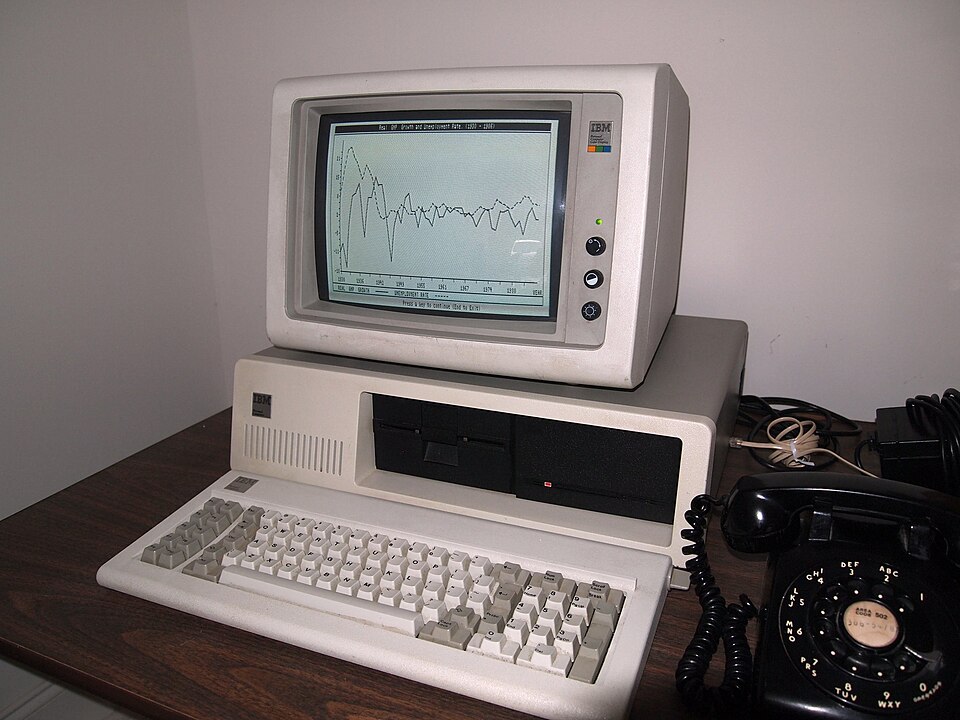 IBM and clones
 IBM PC / XT / AT and clones
The ISA-bus PC. Open BIOS, XT-IDE, PicoGUS, and CGA/VGA cards are a large third-party scene.
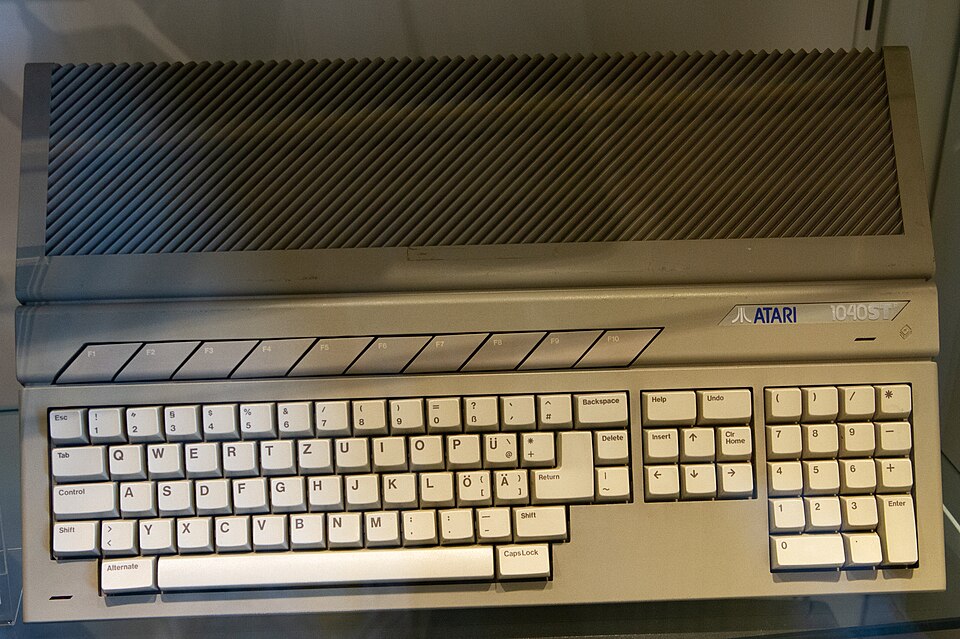 Atari
Atari Atari ST / STE / TT / Falcon
Motorola 68k TOS machines. ACSI/SCSI replacements and RGB/HDMI are the common upgrades.
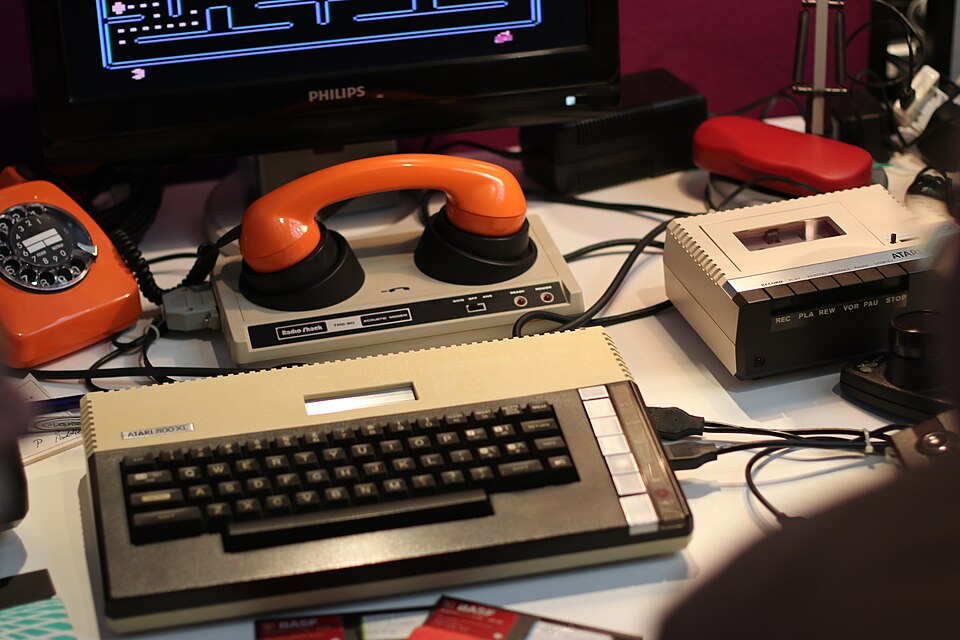 Atari
Atari Atari 8-bit (400/800/XL/XE)
6502 Atari computers. FujiNet, SIDE, and VBXE are the modern hardware stack.
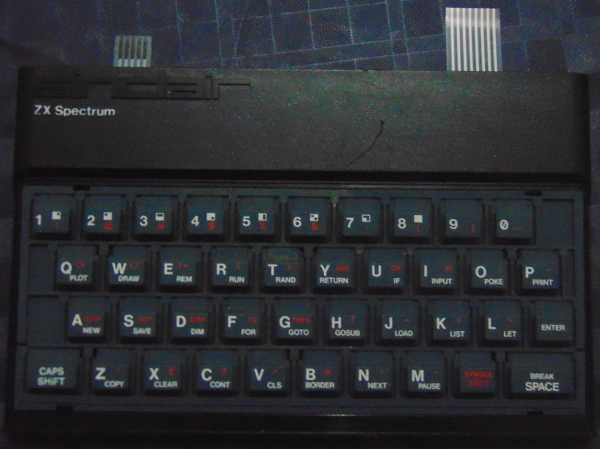 Sinclair / Amstrad
 Sinclair ZX Spectrum
UK 8-bit computer. DivMMC, ZX-UNO, and Spectrum Next hardware keep the scene large.
 Amstrad
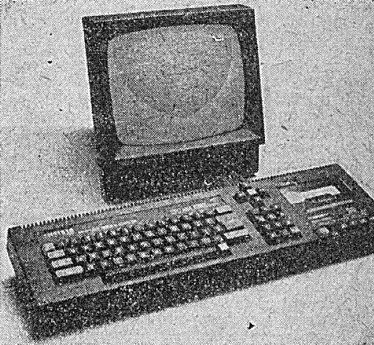
 Amstrad CPC
Z80 home computer with built-in tape or disk. M4 Board and USIfAC are the usual extras.
 Acorn
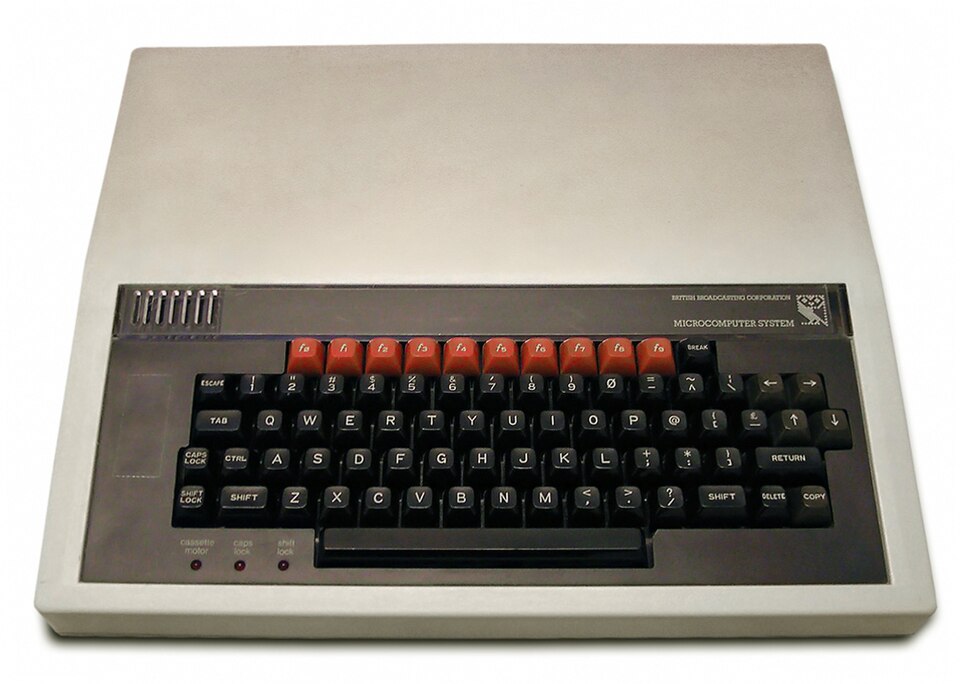
Acorn BBC Micro / Master
Acorn Tube-era machines. MMFS, PiTube, and Godil-class FPGA extras remain active.
 Acorn
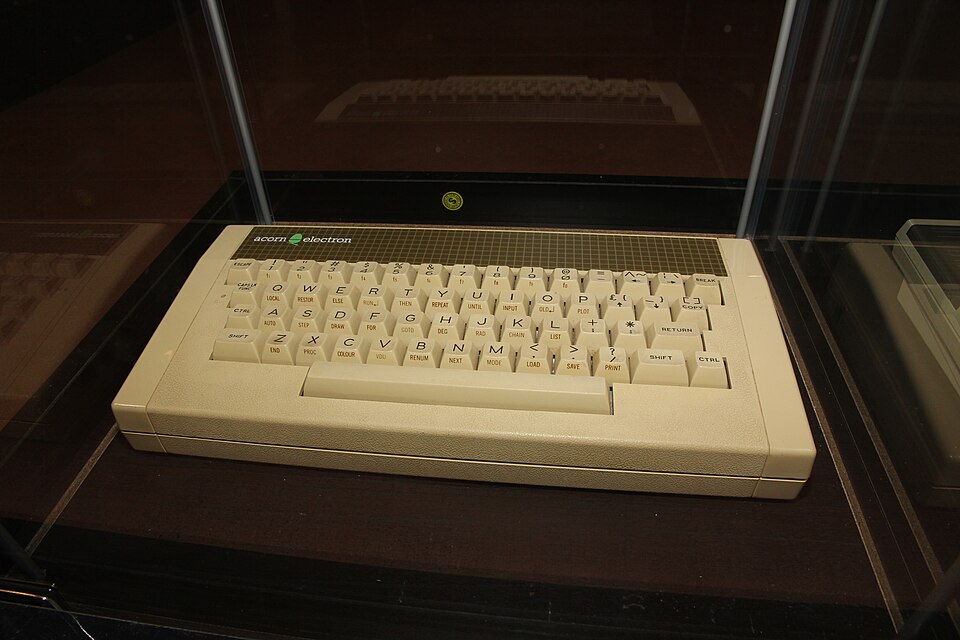
Acorn Acorn Electron
Cut-down BBC. Plus-1 replacements, MMC, and RGB kits are the usual third-party parts.
 ASCII / Microsoft and licensees
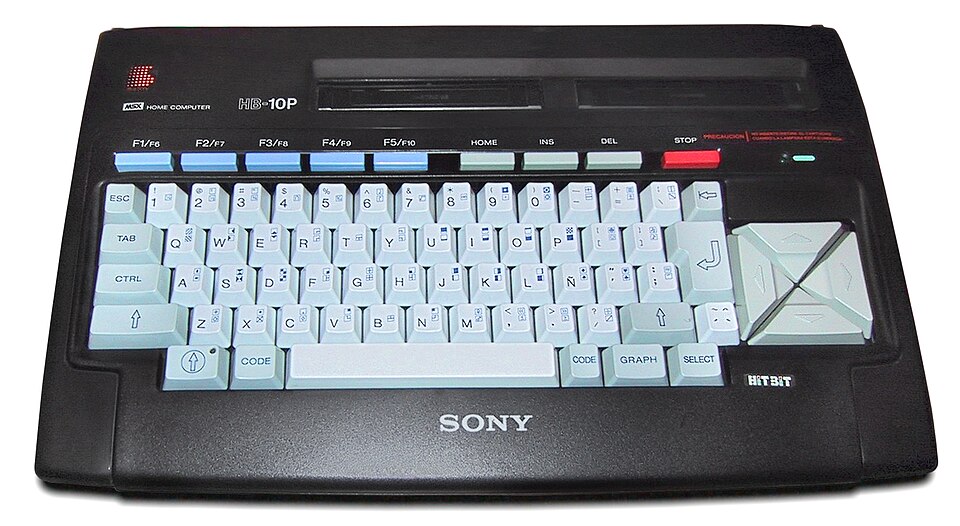
 MSX / MSX2 / MSX2+
Standardized Z80 home computers. Carnivore2, GR8NET, and OCM/1chipMSX are the modern stack.
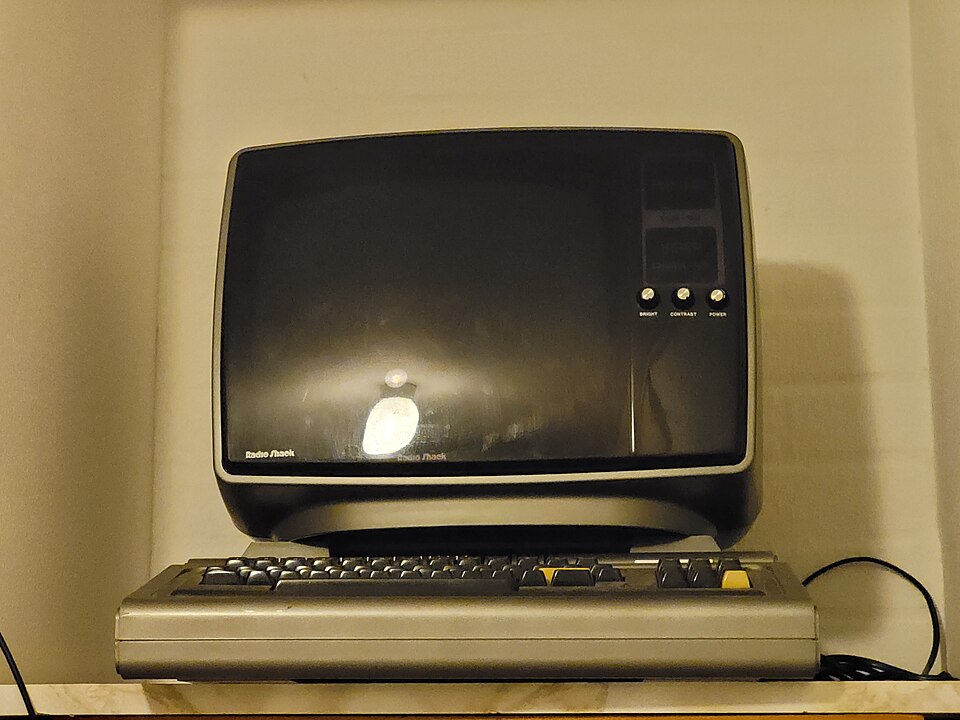 Tandy
Tandy TRS-80 Model I/III/4
Tandy business/home line. FreHD and VGA replacements keep machines online.
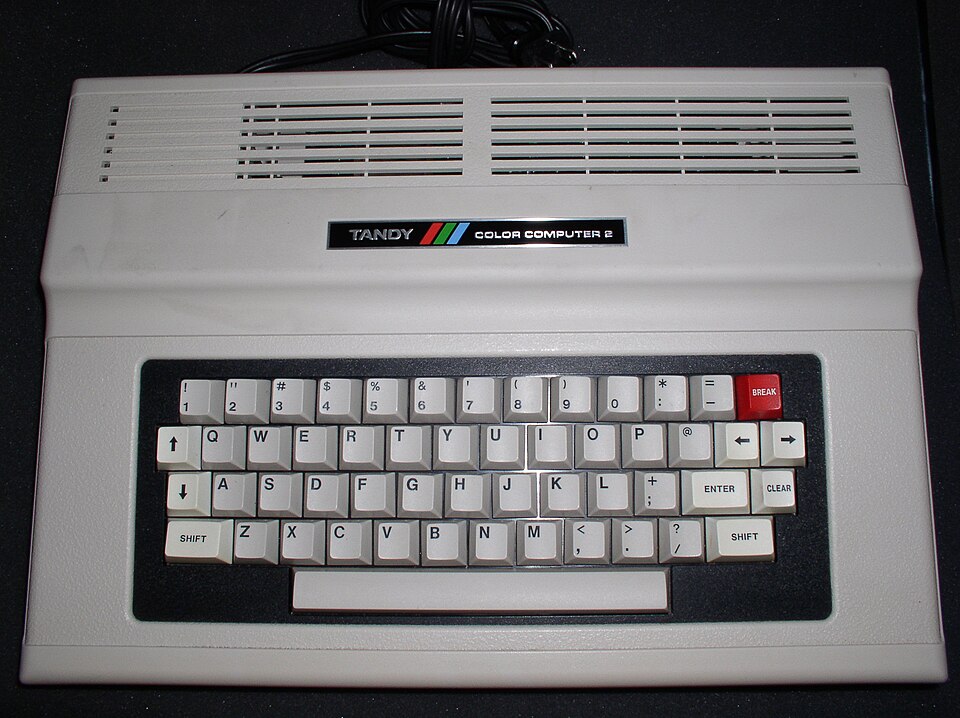 Tandy
Tandy Tandy Color Computer
6809 Tandy computer. CoCoSDC and FPGA recreations are the current hardware path.
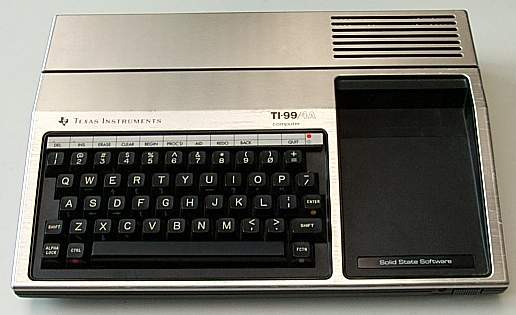 Texas Instruments
 TI-99/4A
16-bit TI home computer. TIPI, FinalGROM, and F18A are the modern upgrades.
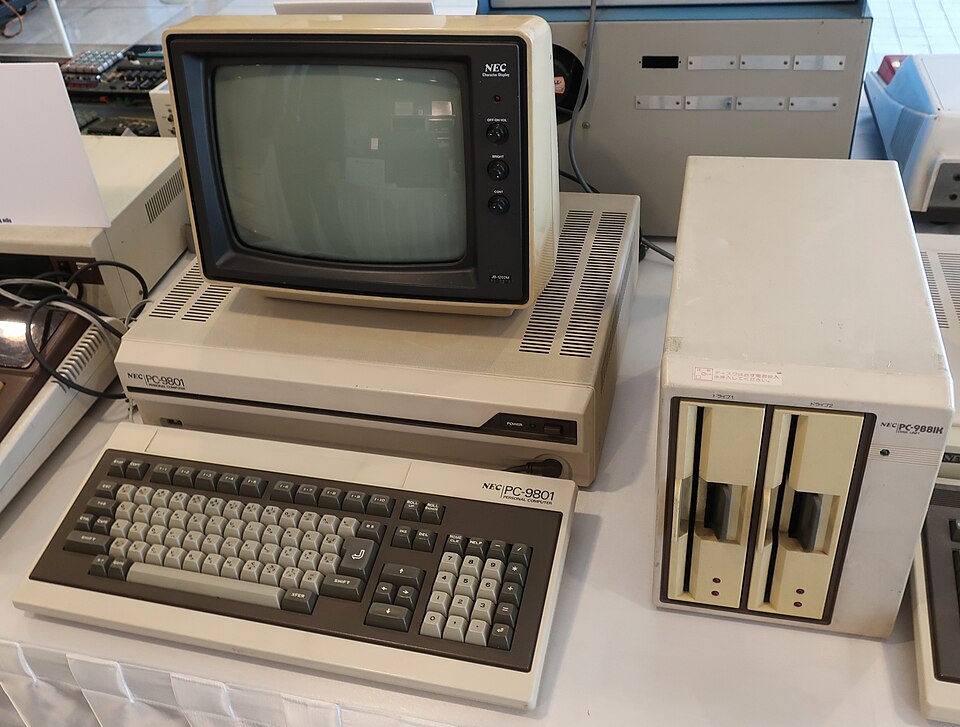 NEC
NEC NEC PC-98
Japanese business/home PC. SCSI replacements, GDC video, and DOS-era ISA cards are the usual work.
 Sharp
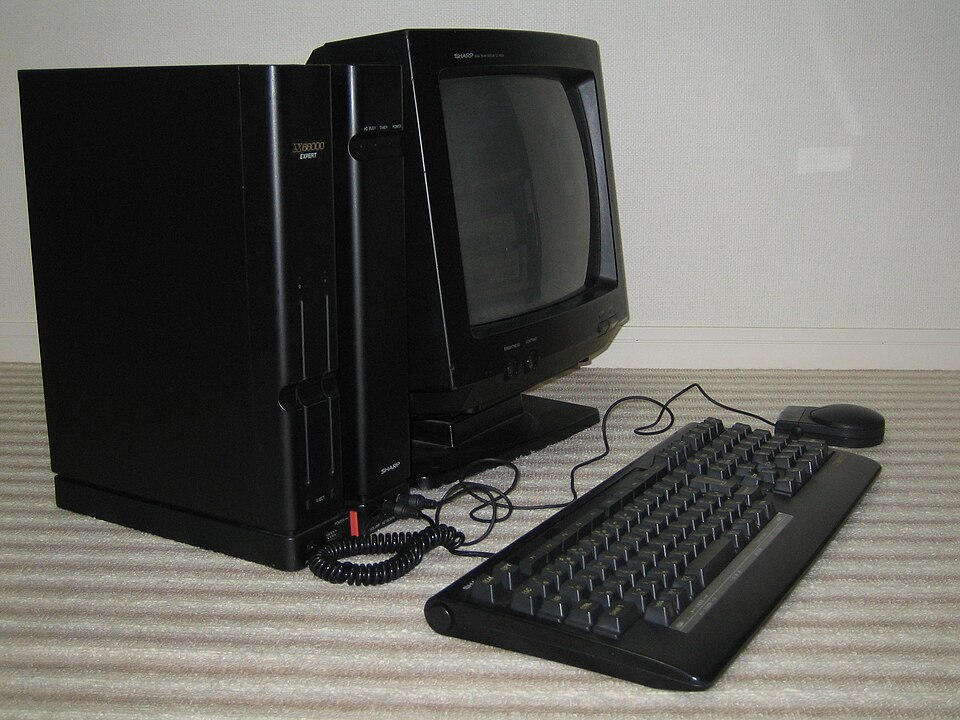
Sharp Sharp X68000
Japanese 68000 multimedia computer. SCSI, SASI, and Nereid-class expansions keep original hardware running.
 Fujitsu
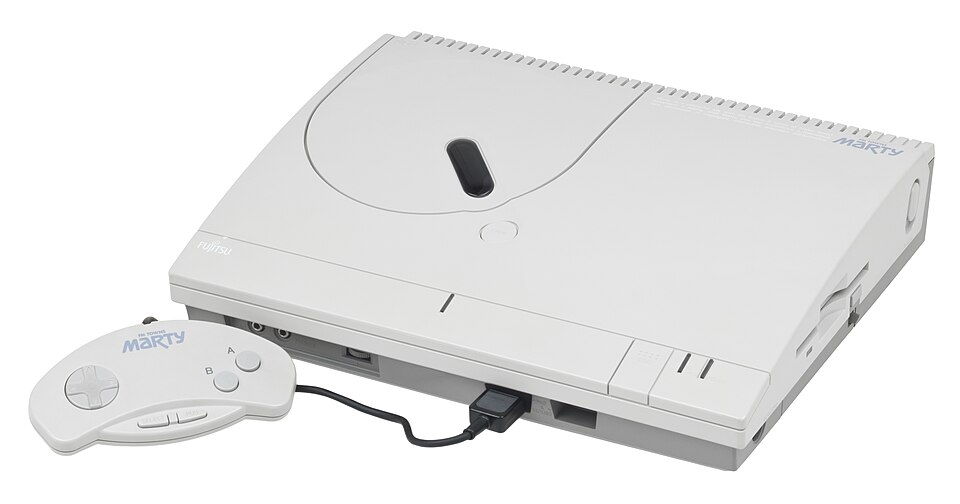
 Fujitsu FM Towns
Fujitsu CD-ROM multimedia PC. Optical replacements and SCSI work are the hardware scene.
 Acorn
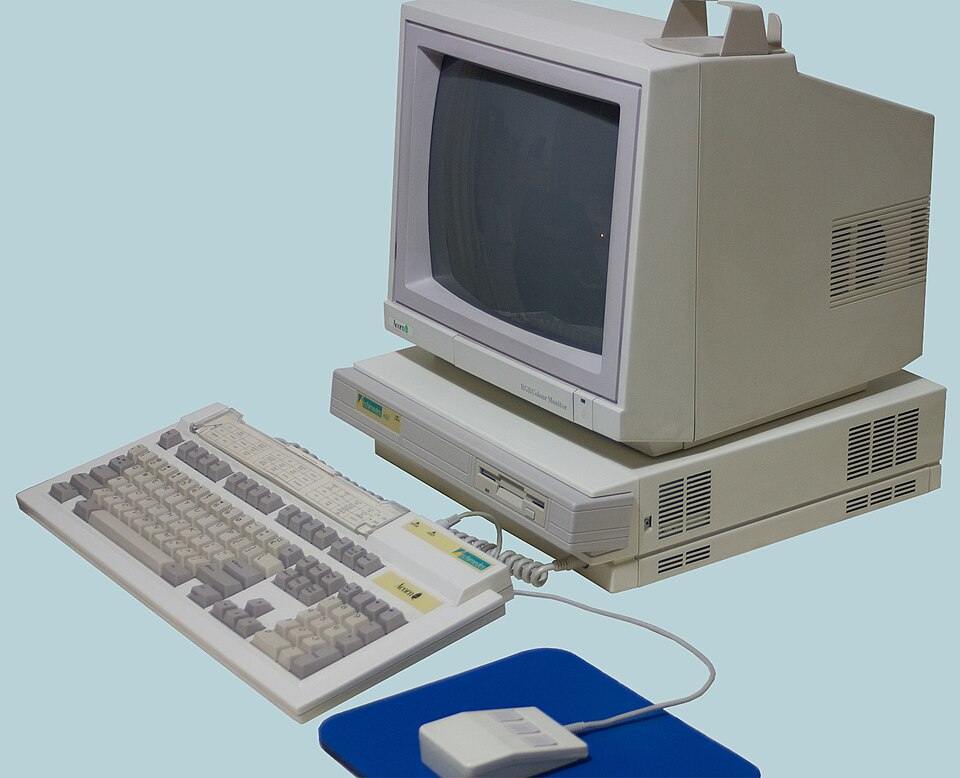
Acorn Acorn Archimedes / Risc PC
ARM workstation line. Podule replacements, RISC OS 5, and RGB-to-HDMI are the usual extras.
 Miles Gordon Technology
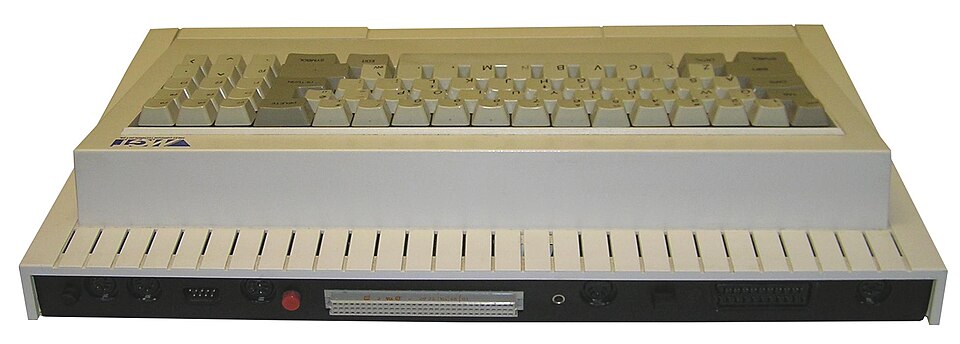
 SAM Coupé
Spectrum-compatible late 8-bit. Atom Lite and SD interfaces are the remaining hardware work.
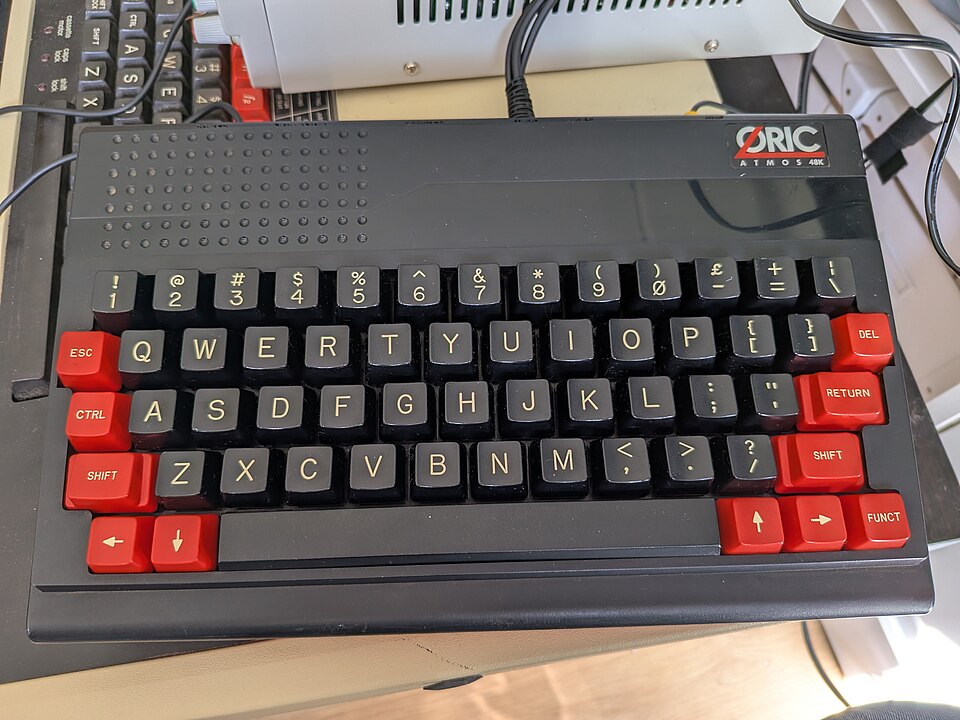 Tangerine / Oric
 Oric-1 / Atmos
6502 UK/French computer. Microdisc replacements and RGB kits are the usual mods.
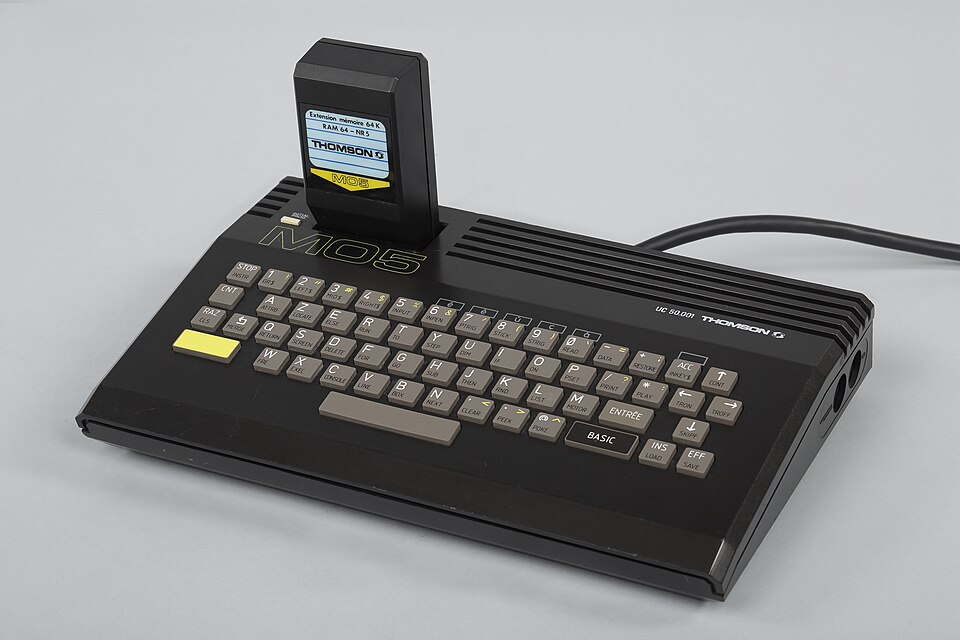 Thomson
 Thomson MO/TO
French home computers. SD and RGB kits circulate in the European scene.
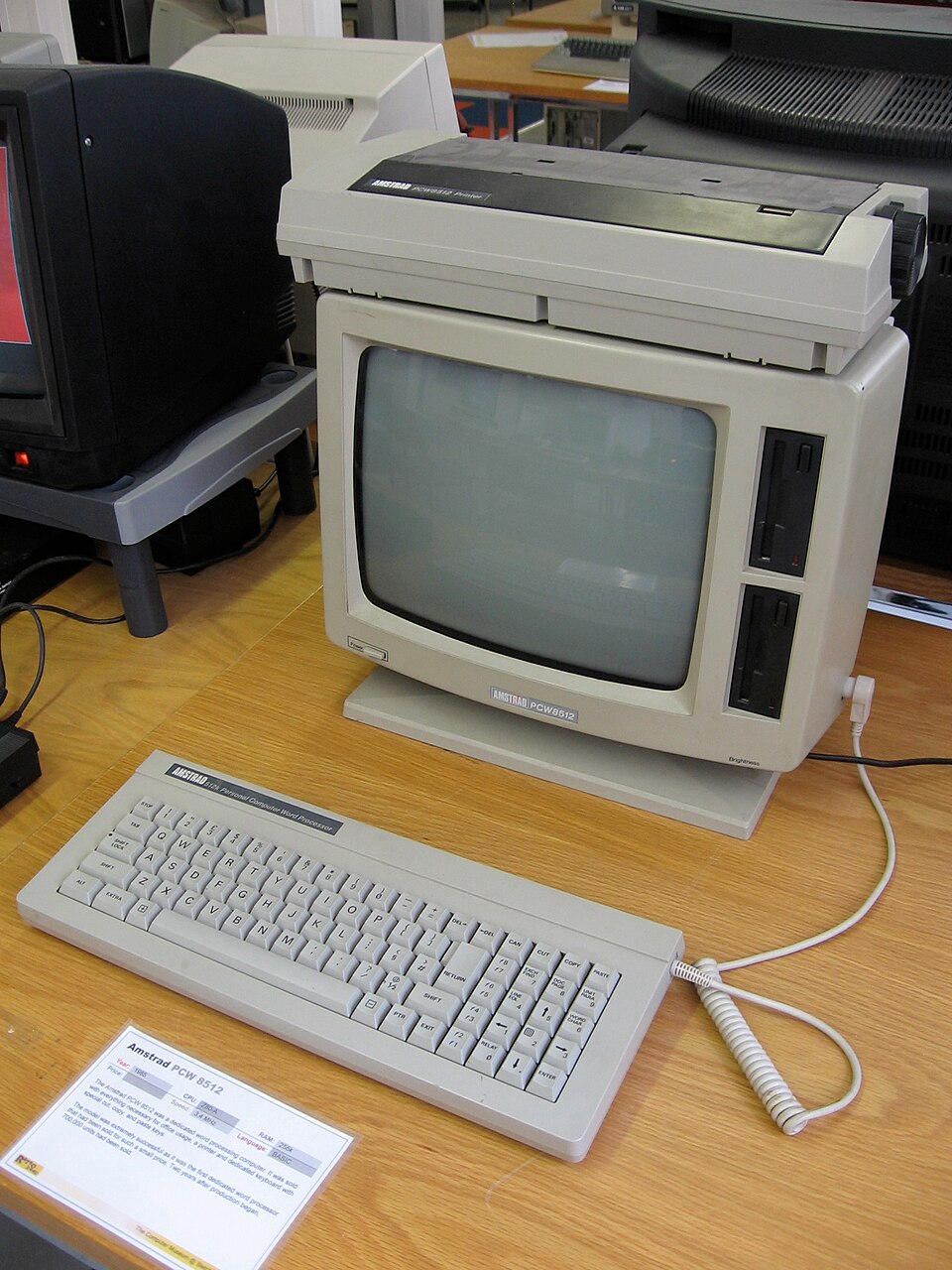 Amstrad
 Amstrad PCW
Z80 word-processor computers. Floppy emulators and VGA kits keep LocoScript machines useful.
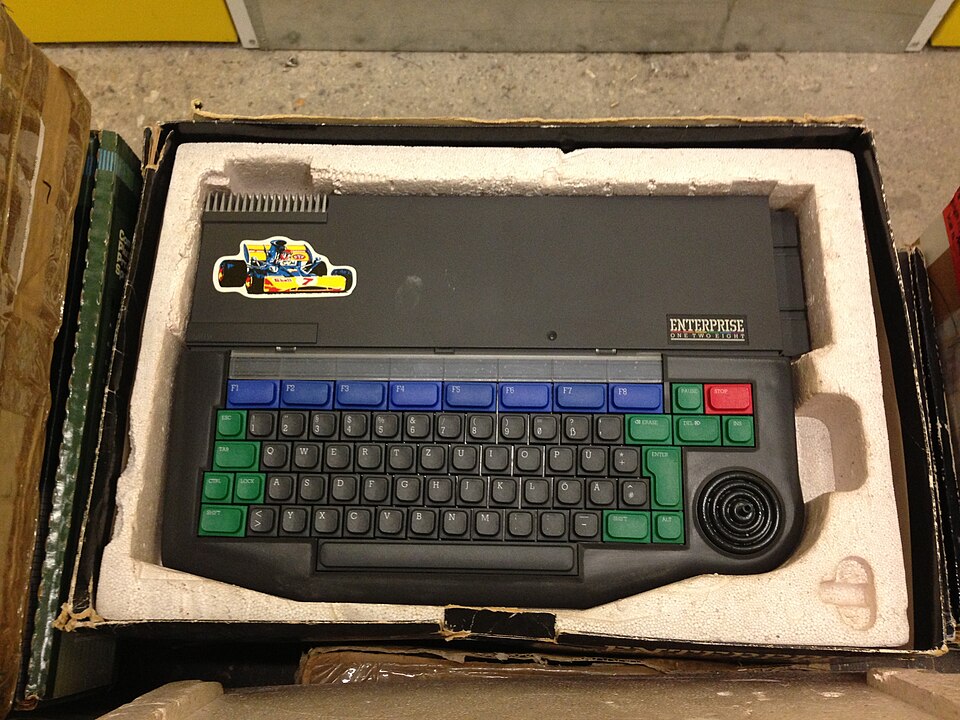 Enterprise Computers
 Enterprise 64/128
Z80 Hungarian/UK machine. EXOS cartridge and SD work is small but documented.
 transistorfet
 RetroVerse VME computers
Modular open retro computers and expansion cards built around the VME bus.
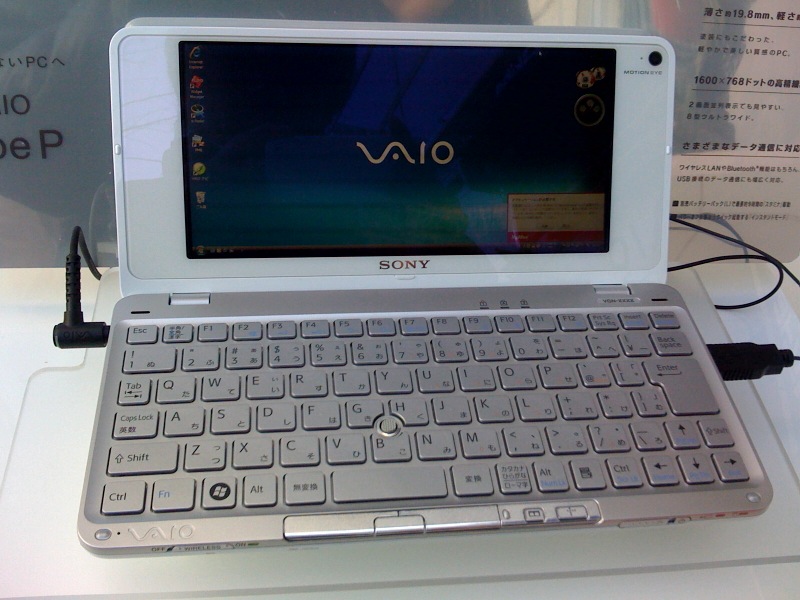 Sony and others
 Sony VAIO P and similar portables
Netbook-class portables whose unusual LVDS panels and keyboards show up in replacement-computer projects.
Multi-system video and tools
09 systems Community
 Multi-system controller adapters
Open adapters that connect original retro controllers to modern USB hosts.
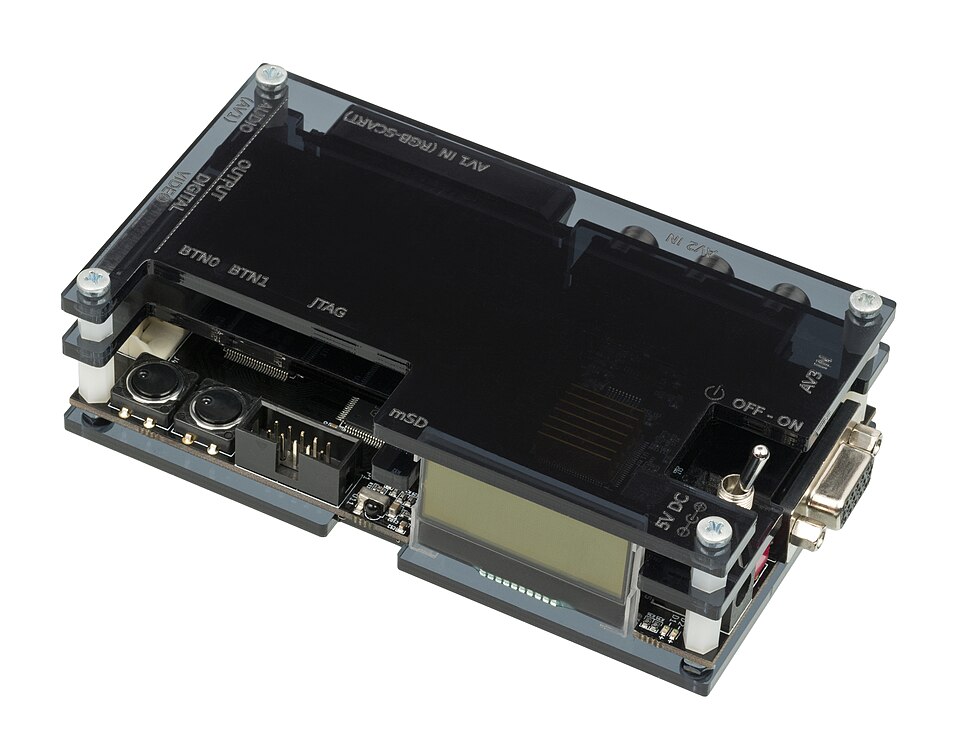 marqs / community
 Open Source Scan Converter
Open scan converter that line-multiplies analog RGB/YPbPr/video for modern displays.
 hoglet67 / community
 RGBtoHDMI
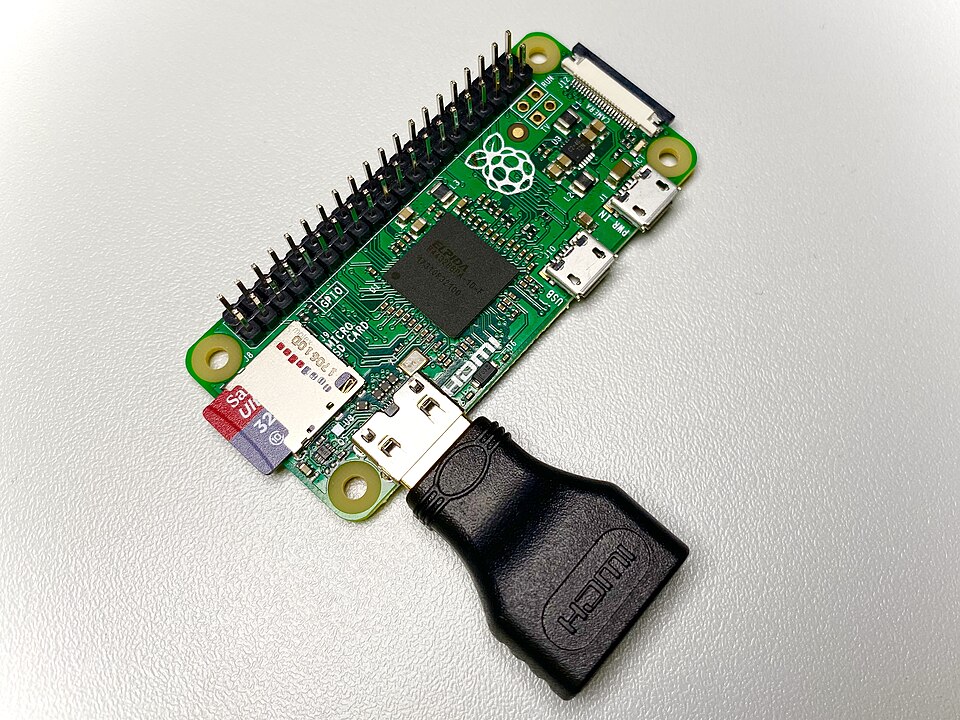
Open Raspberry Pi CPLD sampler that converts TTL RGB from BBC, C64, Amiga, and other machines to HDMI.
 Community
 GBS Control
Open firmware that turns cheap GBS-8200-class RGB-to-HDMI boards into a usable scaler.
 Community
 Cartridge readers
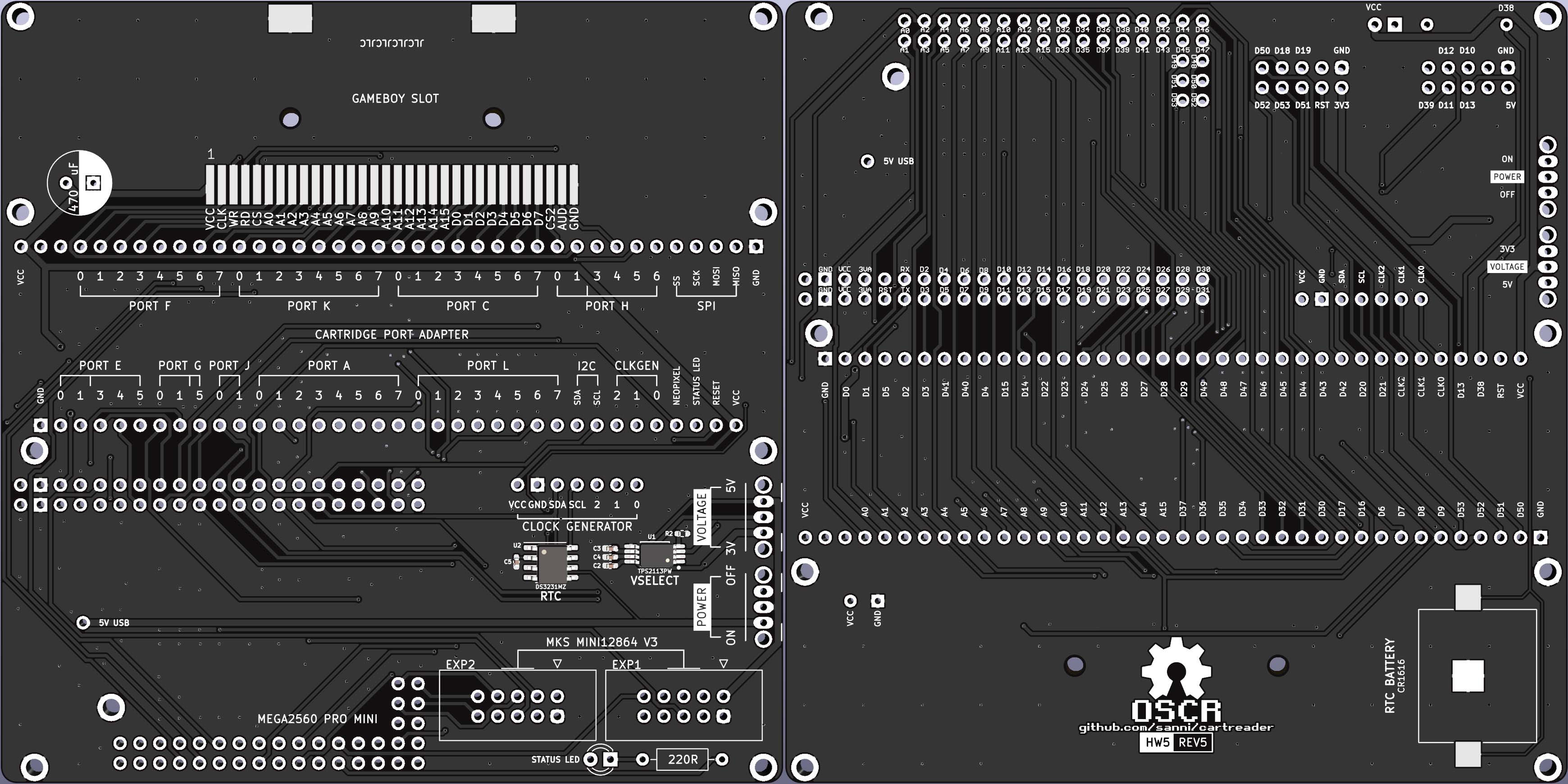
Open Arduino Mega shields that dump and write a wide range of console cartridges.
 TensorFleet / community
 Multisystem
One board for many consoles. TensorFleet's cartreader fork dumps and writes cartridges across NES, SNES, Genesis, N64, Game Boy, and more.
 RetroTINK / Mike Chi
 RetroTINK
Commercial line of analog-to-HDMI scalers. Firmware updates are published; hardware is closed.
 PixelFX
 PixelFX Morph 4K
Commercial 4K scaler and FPGA video platform. Hardware and firmware are closed.
 Analogue
 Analogue (FPGA consoles)
Closed FPGA consoles (Nt, Super Nt, Mega Sg, Pocket, Duo). openFPGA cores on Pocket are a separate ecosystem.